
Do You Need a Rudder on Your Kayak? A Buyer's Guide
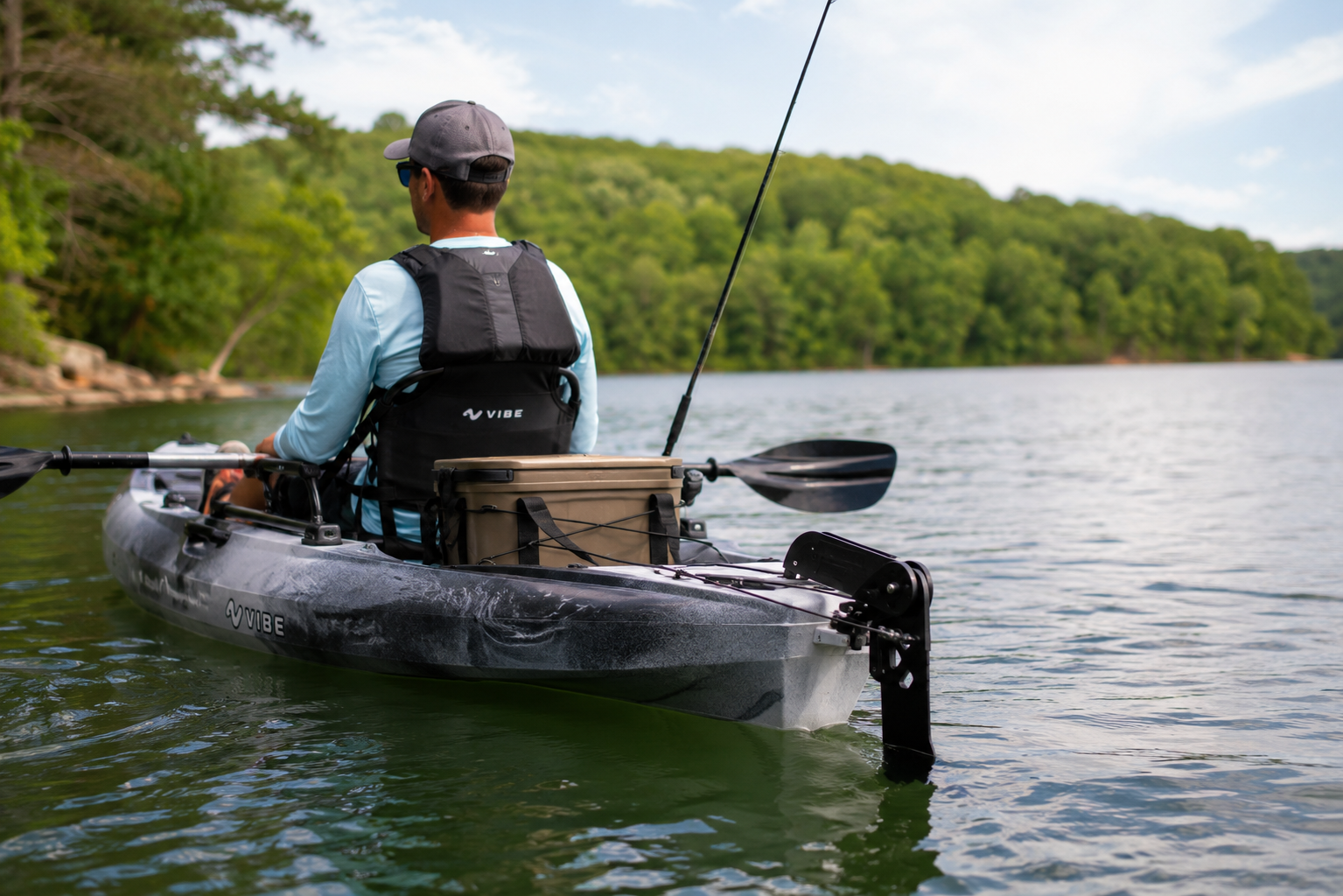
A rudder is one of those upgrades that sounds essential right up until you realize plenty of kayakers never use one and love their setup exactly as-is. So which camp should you be in? It mostly comes down to your kayak's length, the water you paddle, and whether your hands are free enough to keep steering with a paddle in the first place.
Here's how to actually decide.
What a rudder does
A rudder is a blade mounted at the stern (back) of your kayak, controlled by foot pedals in the cockpit. Drop it into the water and it helps you:
-
Hold a straight line in wind or current without constantly correcting with your paddle
-
Turn without needing a dedicated sweep stroke
-
Steer hands-free, useful the moment your hands are busy with a rod, not a paddle
It's not a substitute for good paddling technique (a rudder won't fix poor forward-stroke form), but it takes over the steering workload so your strokes can stay focused on forward power. If you haven't built up your stroke fundamentals yet, our guide to kayak paddling techniques covers the sweep and draw strokes a rudder is designed to reduce your reliance on.

When you actually need one
Your kayak is 12+ feet long. Longer hulls track straighter but turn slower — a rudder makes tight corrections much easier without wrestling the boat around with your paddle.
You paddle open water, big lakes, or coastal/tidal areas. Wind and current push a long hull off-line constantly. A rudder holds your heading so you're not fighting the elements stroke after stroke.
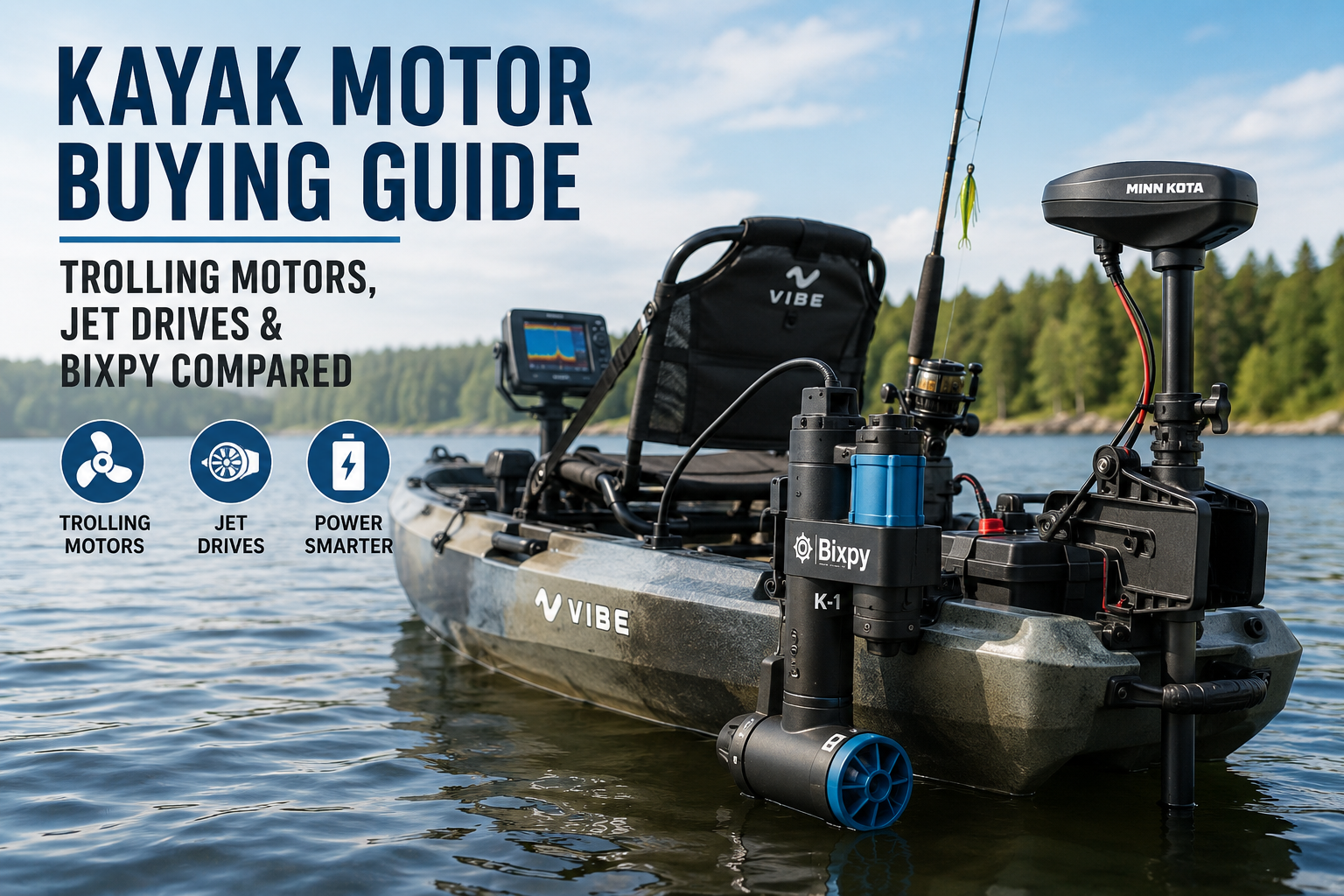
You fish. This is the big one. A rudder lets you keep the kayak pointed where you want chasing a drifting fish, holding position in current, correcting for wind without letting go of your rod. Combined with a pedal drive or a Bixpy motor, a rudder turns your kayak into a genuinely hands-free fishing platform. See our full breakdown of the Bixpy kayak motor if you're considering both upgrades together.
You are paddling long distances regularly. Less correction effort per stroke adds up to noticeably less fatigue over several miles.
When you probably don't need one
Your kayak is under 12 feet. Shorter, more maneuverable hulls already turn easily with basic sweep strokes, a rudder adds cost and complexity without much payoff.
You paddle calm, protected water of ponds, slow rivers, sheltered coves. Without wind or current to fight, there's little for a rudder to correct.
You're still building core paddling skills. Some paddlers lean on a rudder before they've developed solid stroke technique, which can slow down learning proper boat control. There's nothing wrong with adding one later once your strokes are solid.
Rudder vs. skeg — quick clarification
A skeg is a fixed or retractable fin that drops straight down from the hull, it helps with tracking but doesn't turn or steer. A rudder does both: steering and tracking, controlled actively with foot pedals. If your main issue is a kayak that "wanders" in a straight line, a skeg might be enough. If you also want active steering control especially hands-free while fishing, a rudder is the better fit.

Choosing a rudder setup
Vibe's Gravity Rudder is built for exactly the combined use case above: a double-hinged slide-and-stow mechanism that lifts fully out of the water in shallow spots, plus native compatibility with a Bixpy motor mount if you want to add power later. For specific models, model-matched rudder kits fit cleanly without extra modification, and a universal rudder option covers most other rudder-ready hulls. Browse the full rudder and foot brace collection to compare.
Already have a rudder and just need a part? Replacement rudder cables are available separately.
Bottom line
If you're paddling a shorter recreational kayak on calm water, skip it you likely won't notice the difference. If you're on a longer hull, covering real distance, or fishing with your hands busy on a rod, a rudder earns its place fast. And if you're already considering a motor upgrade, pairing a rudder with it is one of the most effective hands-free setups you can build.
Frequently asked questions
Does a rudder make a kayak faster?
Not directly, it doesn't add propulsion. What it does is reduce the energy you waste correcting your course, which can make you feel faster over a long paddle.
Can I add a rudder to a kayak that didn't come with one?
Only if the hull is rudder-ready (has the mounting points and cable channels built in). Vibe's longer touring and fishing models like the Sea Ghost 130 and Shearwater 125 are rudder-ready out of the box.
Is a rudder hard to install?
Installation is generally straightforward with the right kit. See our step-by-step Gravity Rudder install guide, or model-specific instructions for the Sea Ghost and Shearwater.
Will a rudder make me a lazier paddler?
It can, if you lean on it before learning solid stroke technique. Most experienced paddlers treat a rudder as a tool for specific conditions (wind, current, hands-free fishing) rather than a replacement for good paddling fundamentals.
 30 days money back guarantee
 Secure and certified online shop
 1000+ Happy customers