
Kayak Paddle Leash & Tether Guide: Do You Need One and How to Use It
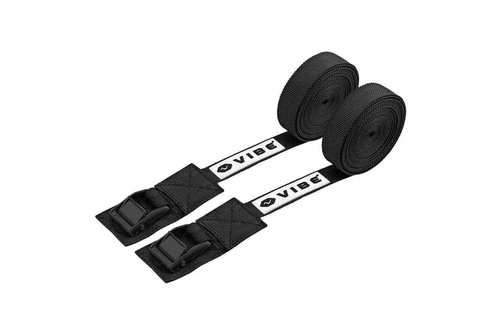
A kayak paddle tether is one of the cheapest pieces of gear you can buy, yet it's the one beginners skip most often, right up until they watch their paddle drift away in the current. At Vibe Kayaks, we hear the same question constantly from new paddlers and anglers: is a paddle leash actually necessary, or is it just another accessory? This guide breaks down exactly what a paddle tether does, when you genuinely need one, and how to attach and use it correctly.
If you're still building your on-water fundamentals, our guide on how to paddle a kayak covers grip and stroke basics that pair naturally with the gear advice below.
What is a Kayak Paddle Tether?
A kayak paddle tether, sometimes called a paddle leash, is a short strap that connects your paddle to your kayak. If you set the paddle down to fish, take a photo, or handle gear, the tether keeps it attached to the boat instead of floating away or sinking.
A kayak tether serves the same basic purpose for other loose gear, like a net or tackle box, but a dedicated kayak paddle strap is built specifically for the shaft of a paddle, usually with a padded or adjustable loop that won't scratch the finish.
Do You Need a Kayak Paddle Tether?
For most paddlers, especially anglers, the answer is yes. Here's when a tether matters most:
-
Fishing kayaks – You'll set the paddle down constantly to cast, reel, and net fish
-
Moving water or current – A dropped paddle can drift out of reach fast
-
Windy conditions – Wind can push an unsecured paddle off the deck before you notice
-
Standing to fish or cast – Balance shifts increase the chance of accidentally knocking a paddle overboard
If you mostly paddle calm, flat water and never set the paddle down mid-trip, a tether is less critical, though it's still cheap insurance against an accidental drop.
Even paddlers who've dialed in a clean grip and a torso-driven stroke can lose their balance for a second while shifting position to fish or take a photo, and that's usually when an unsecured paddle slides overboard.
How to Attach a Paddle Leash to a Kayak
Attaching a paddle leash is a simple process, but doing it correctly matters for both function and comfort:
-
Locate a secure anchor point – most kayaks have a deck fitting, bungee, or D-ring near the cockpit
-
Loop the strap end around your paddle shaft, positioning it near the center so the paddle stays balanced when tethered
-
Clip or tie the other end to the anchor point, leaving enough slack to paddle freely without the tether pulling tight mid-stroke
-
Test the range of motion before heading out, making sure the tether doesn't interfere with your normal paddling reach
A properly attached tether should be nearly unnoticeable during normal paddling and only come into play when you set the paddle down.
Kayak Paddle Strap vs Leash: What's the Difference?
The terms are often used interchangeably, but there's a subtle distinction:
-
A leash typically refers to a coiled or stretch-cord style tether that extends when needed and retracts when not in use
-
A strap usually refers to a flatter, adjustable-length tether, often with a clip or buckle, designed to be set to a fixed length
Coiled leashes tend to suit anglers who move around the kayak frequently, since the stretch reduces slack getting tangled in gear. Fixed straps are often preferred by paddlers who want a predictable, snag-free length every time.
Kayak with Paddle Setups: Where a Tether Fits In
If you bought a kayak with paddle included as a starter package, a tether is one of the first upgrades worth adding, since bundled paddles are rarely secured to the kayak by default. It's a low-cost way to protect the paddle that came with your setup, especially before you decide whether to upgrade the paddle itself.
Before spending on an upgrade, it's worth confirming the shaft you're currently using is even the right size for your height and boat, since a bundled paddle isn't always sized correctly out of the box.
Final Thoughts
A kayak paddle tether isn't required gear, but for anglers, current paddling, or anyone who sets the paddle down mid-trip, it's one of the simplest ways to avoid losing an expensive piece of equipment. That protection matters even more if you've invested in a lighter carbon or fiberglass shaft over a basic aluminum one, since replacing a higher-end paddle costs considerably more than a tether ever will. Choose a coiled leash if you move around frequently, or a fixed strap if you prefer predictable length, attach it to a secure anchor point, and test your range of motion before launching. Browse our full range of kayak tethers and leashes to find the right fit for your setup.
Frequently Asked Questions
1. Do I need a kayak paddle tether?
If you fish, paddle in current or wind, or set your paddle down mid-trip, a tether is highly recommended. Calm-water paddlers who never set the paddle down face lower risk but still benefit from the added security.
2. What is the best kayak paddle leash for fishing?
A coiled, stretch-cord style leash works well for fishing, since it retracts out of the way when not in use and reduces the chance of tangling with rods, nets, or tackle while you move around the kayak.
3. How do I attach a paddle leash to a kayak?
Loop one end around the center of the paddle shaft, then clip or tie the other end to a secure deck fitting or D-ring near the cockpit, leaving enough slack for a full paddling range of motion.
4. What's the difference between a kayak paddle strap and a leash?
A leash is typically a coiled, stretch-cord tether that extends and retracts, while a strap is a flat, adjustable-length tether set to a fixed length. Both serve the same core purpose of securing the paddle.
5. Does a kayak paddle tether affect paddling performance?
No, when attached correctly with enough slack, a tether shouldn't interfere with your stroke at all. It only becomes active when you set the paddle down or accidentally drop it.
 30 days money back guarantee
 Secure and certified online shop
 1000+ Happy customers