
How to Paddle a Kayak: Beginner Tips and Paddle Selection Guide
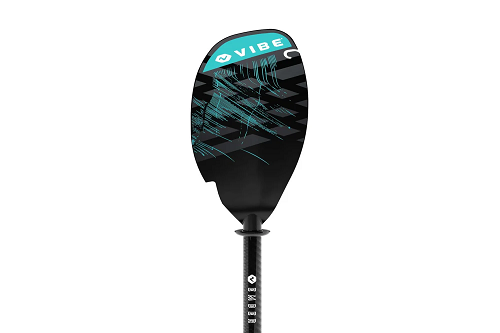
Learning how to paddle a kayak is the first step toward enjoying safe and memorable adventures on the water. Whether you're exploring calm lakes, winding rivers, or coastal shorelines, mastering the basics will improve your confidence and paddling efficiency. Choosing the right paddle kayak setup is just as important as learning proper technique. From selecting a kayak with a paddle that suits your needs to finding the best kayak paddles for your adventures, every decision contributes to a smoother experience. At Vibe Kayaks, we believe that the right skills and equipment help every paddler enjoy more time on the water with less effort.
Why Choosing the Right Paddle Kayak Matters
A well-matched kayak and paddle improve comfort, control, and overall performance. While beginners often focus on the kayak itself, the paddle is equally important because it transfers your energy into every stroke.
When choosing a kayak with paddle, consider:
-
Your paddling experience
-
The type of water you will explore
-
Kayak width and length
-
Paddle material and weight
-
Your height and arm reach
Using the correct paddle reduces fatigue, improves tracking, and helps you paddle farther with greater efficiency.
How to Paddle a Kayak for Beginners
If you're wondering how to paddle a kayak for beginners, start by focusing on posture, grip, and smooth movements rather than speed. Good technique makes paddling easier and prevents unnecessary strain on your shoulders and back.
Follow these basic steps:
1. Sit with Proper Posture
Sit upright with your back supported and your feet comfortably resting on the foot braces. Slightly bend your knees and engage your core muscles for better balance.
2. Hold the Paddle Correctly
Place your hands slightly wider than shoulder-width apart. Ensure the paddle blades are facing the correct direction before entering the water. A relaxed grip helps prevent hand fatigue during longer trips.
3. Use Your Core
Instead of relying only on your arms, rotate your torso with every stroke. This technique generates more power while reducing stress on your shoulders.
4. Maintain a Steady Rhythm
Take smooth, even strokes on both sides of the kayak to maintain a straight course. Consistency is more effective than paddling with excessive force.
How to Paddle a Kayak Properly for Beginners
Learning how to paddle a kayak properly for beginners involves mastering a few essential strokes that improve control in different conditions.
1. Forward Stroke
The forward stroke is your primary movement. Insert the blade fully into the water near your feet, rotate your torso, and pull the blade alongside the kayak before lifting it smoothly.
2. Reverse Stroke
Need to stop or back away from a dock? Simply perform the forward stroke in reverse by pushing the blade toward the front of the kayak.
3. Sweep Stroke
A wide, sweeping stroke helps turn the kayak efficiently. Sweep the paddle in a broad arc away from the kayak to change direction without losing momentum.
4. Draw Stroke
The draw stroke moves your kayak sideways, making it useful when approaching docks or navigating tight spaces.
Practicing these strokes regularly builds confidence and improves overall paddling control.
Choosing the Best Kayak Paddles
Selecting one of the best kayak paddles can make every outing more enjoyable. The ideal paddle depends on your kayaking style, physical build, and preferred waterways.
Consider these factors:
-
Lightweight construction
-
Comfortable grip
-
Durable blade design
-
Adjustable shaft options
-
Appropriate paddle length
A properly sized paddle reduces fatigue and provides better efficiency with every stroke.
Why Choose a Carbon Kayak Paddle?
If you paddle frequently or enjoy long-distance adventures, a carbon kayak paddle is an excellent investment. Carbon fiber paddles are significantly lighter than aluminum alternatives, allowing you to paddle longer with less effort.
Benefits include:
-
Lightweight performance
-
Reduced arm and shoulder fatigue
-
Excellent durability
-
Faster, more efficient strokes
-
Comfortable handling during extended trips
Although carbon paddles typically cost more, many experienced paddlers appreciate their performance and long-term value.
How to Choose the Right Paddle Length
Paddle length plays a major role in comfort and efficiency. Choosing a paddle that's too short or too long can lead to awkward strokes and unnecessary fatigue.
General recommendations include:
-
Narrow touring kayaks typically use shorter paddles.
-
Wider recreational and fishing kayaks often require longer paddles.
-
Taller paddlers usually benefit from additional paddle length.
-
Consider both your height and kayak width when selecting a paddle.
Testing different paddle lengths helps you find the best fit for your paddling style.
Common Beginner Paddling Mistakes
Even experienced kayakers started as beginners. Avoiding these common mistakes helps improve your skills faster.
Watch out for these habits:
- Gripping the paddle too tightly
- Using only your arms instead of your torso
- Looking down instead of ahead
- Taking uneven strokes
- Choosing the wrong paddle size
- Ignoring proper posture
Correcting these mistakes early makes paddling smoother, safer, and more enjoyable.
Paddle Care and Maintenance Tips
Keeping your paddle in good condition ensures reliable performance season after season.
Follow these maintenance tips:
-
Rinse your paddle with fresh water after each trip.
-
Remove dirt and sand from moving parts.
-
Store your paddle in a cool, dry location.
-
Inspect blades for cracks or damage.
-
Avoid prolonged exposure to direct sunlight.
Routine care extends the life of your equipment and keeps it ready for your next adventure.
Paddle with Confidence Using the Right Equipment
Mastering how to paddle a kayak begins with learning proper technique and selecting equipment that fits your needs. Whether you are purchasing a kayak with paddle, comparing the best kayak paddles, or upgrading to a carbon kayak paddle, investing in quality gear enhances every trip. At Vibe Kayaks, we are passionate about helping paddlers of all skill levels enjoy comfortable, efficient, and memorable adventures. With the right paddle, proper technique, and regular practice, you will spend less time struggling and more time exploring the water with confidence.
Frequently Asked Questions
1. What is the best paddle for beginners?
Lightweight fiberglass or aluminum paddles are excellent choices for new paddlers. As your skills improve, upgrading to a carbon kayak paddle can provide additional comfort and efficiency.
2. Should I buy a kayak with a paddle included?
Many beginners appreciate purchasing a kayak with a paddle because it provides everything needed to get started. As you gain experience, you can upgrade to a paddle that better suits your paddling style.
3. How long does it take to learn how to paddle a kayak?
Most beginners learn the basics within a single outing. Regular practice helps improve stroke efficiency, steering, and confidence on the water.
4. Can I use one paddle for every type of kayaking?
While one paddle can handle many situations, specialized paddles often perform better for touring, fishing, or performance kayaking.
 30 days money back guarantee
 Secure and certified online shop
 1000+ Happy customers