
How to Paddle a Kayak Properly: Grip, Stroke & Technique Tips
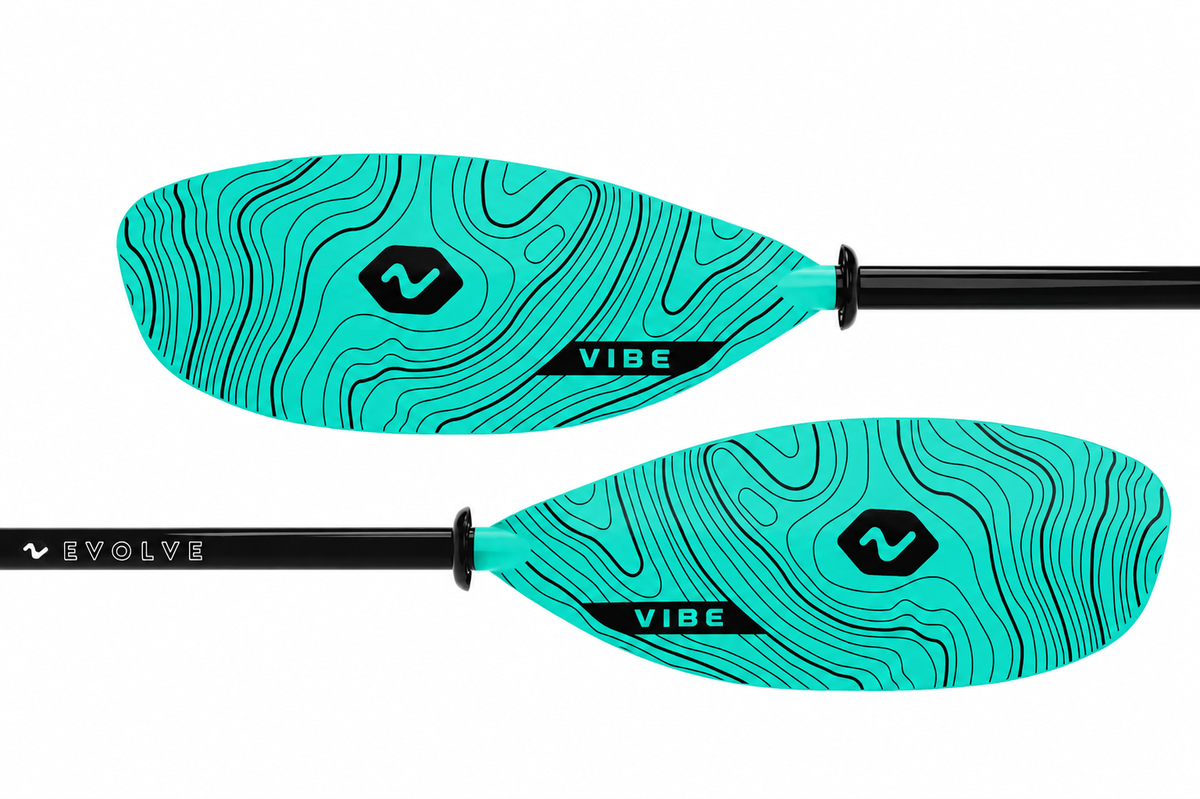
Learning how to paddle a kayak properly comes down to two things most beginners skip past: hand placement and stroke mechanics. Get those right, and you'll glide forward with less effort, track straighter, and finish a long day on the water without sore shoulders. Get them wrong, and every stroke fights against you, no matter how good your gear is. At Vibe Kayaks, we walk new paddlers through this exact grip-and-stroke foundation before they ever compare paddle materials or sizing, because technique is what actually makes a paddle feel effortless.
This guide builds directly on our broader how to paddle a kayak beginner guide, focusing specifically on grip and stroke technique so you can put proper form into practice right away.
Why Grip and Stroke Technique Matter
Most new paddlers assume kayaking is intuitive, just dip the blade and pull. In reality, poor grip and stroke habits are the number one reason beginners get tired quickly, zig-zag instead of tracking straight, or develop shoulder and wrist strain after only a short trip. Learning to paddle kayak with correct form fixes all three problems at once.
Kayak Paddle Grip: Getting Your Hands in the Right Position
Correct kayak paddle grip starts before you ever push off from shore.
Finding Your Grip Width
Hold the paddle above your head with both hands, and adjust until your elbows form roughly a 90-degree angle. This is your baseline grip width. Too narrow, and you lose power; too wide, and you'll fatigue your shoulders quickly.
Hand Position on the Shaft
-
Keep a relaxed grip, not a tight fist, on both hands
-
Your knuckles should align with the top edge of the paddle blade
-
One hand should stay the "control hand," maintaining a firm hold while the other hand allows the shaft to rotate slightly with each stroke (this matters most with feathered paddle blades)
This is the correct way to hold a kayak paddle for both flat-water cruising and more active fishing or touring trips.
Kayak Paddle Stroke Technique: The Core Stroke Breakdown
Once your grip is set, the kayak paddle stroke technique itself comes down to three phases:
1. The Catch
Rotate your torso and reach forward, planting the blade fully in the water near your feet. Avoid reaching too far forward, which strains your shoulder joint.
2. The Power Phase
Pull the blade back by rotating your torso, not just your arms. Your core and back should do most of the work, while your arms stay relatively straight, guiding rather than pulling with brute force.
3. The Release
Lift the blade out of the water once it passes your hip. Pulling the blade farther back than this adds little forward power and instead lifts water, slowing you down.
Repeating this catch, power, release sequence on alternating sides is the foundation of efficient paddling, and it's the single biggest technique upgrade for anyone learning how to paddle a kayak for beginners.
How to Paddle a Kayak in a Straight Line
Zig-zagging is one of the most common frustrations for new paddlers, and it's almost always a technique issue rather than a gear issue.
-
Use torso rotation, not just your arms – Uneven arm-only strokes push the kayak off-line
-
Keep strokes even on both sides – Count your strokes per side to build consistency
-
Check your paddle angle – A stroke that pulls too far outward from the kayak causes veering
-
Use a light corrective stroke, not a full stop – A small sweeping motion at the end of a stroke can correct drift without breaking your rhythm
If you're still drifting off course after adjusting technique, it may be worth revisiting paddle length and kayak width, both of which affect tracking. Our kayak paddle length guide covers how an incorrect paddle size can make straight-line paddling harder than it needs to be.
Common Beginner Mistakes to Avoid
-
Paddling with arms only instead of engaging torso rotation
-
Gripping the shaft too tightly, which speeds up hand and forearm fatigue
-
Over-reaching on the catch phase, straining the shoulder
-
Pulling the stroke too far past the hip instead of releasing early
Final Thoughts
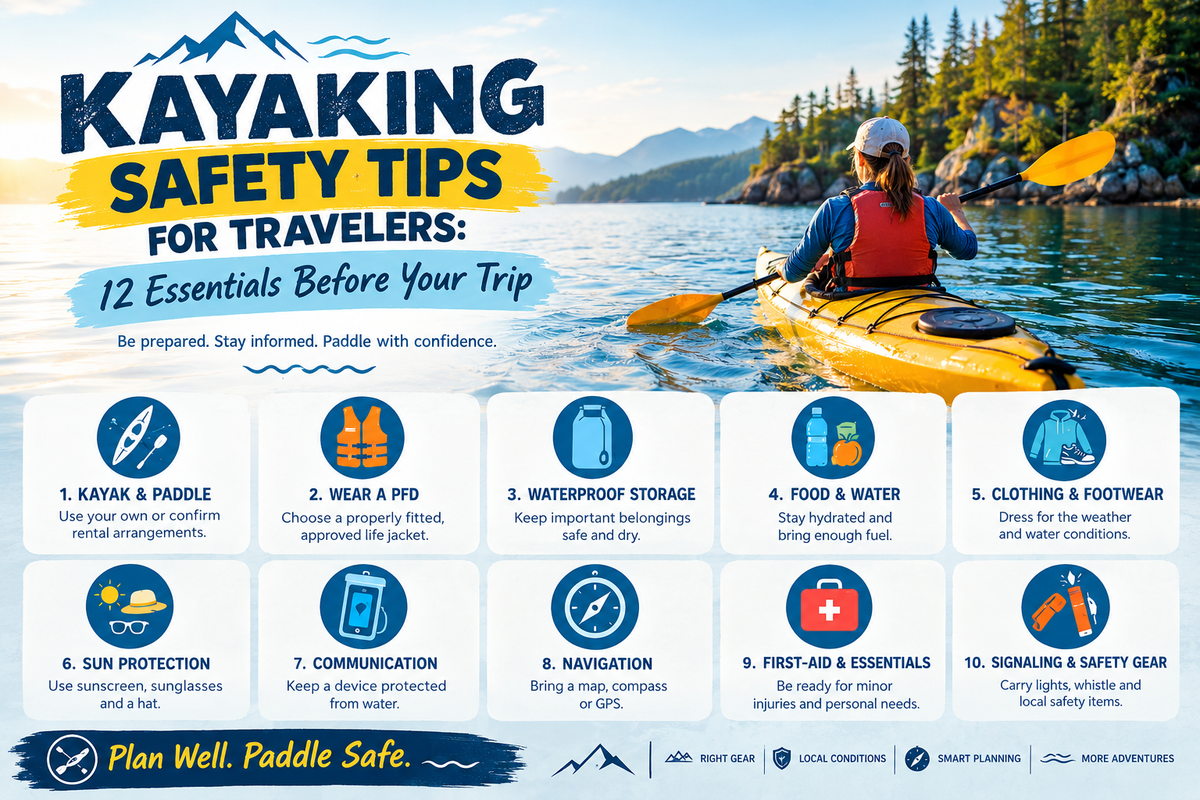
Learning how to paddle a kayak properly isn't about paddling harder, it's about paddling with correct grip and torso-driven stroke mechanics. Once your grip width and stroke phases feel natural, straight-line tracking and reduced fatigue follow automatically. If you haven't yet, pair this technique guide with the right gear by reviewing our carbon vs fiberglass vs aluminum kayak paddle comparison and our beginner-focused kayak safety tips before your next trip out.
Frequently Asked Questions
1. What is the correct way to hold a kayak paddle?
Hold the paddle above your head to find a grip width where your elbows form roughly a 90-degree angle, with a relaxed (not tight) grip and knuckles aligned with the top edge of the blade.
2. What is the proper kayak paddle stroke technique for beginners?
The proper stroke has three phases: plant the blade near your feet (catch), pull using torso rotation rather than just your arms (power), and lift the blade once it passes your hip (release).
3. How do I paddle a kayak in a straight line?
Straight-line paddling comes from even, torso-driven strokes on both sides, a consistent paddle angle, and small corrective sweeps rather than stopping to steer. Incorrect paddle length can also contribute to drifting.
4. Why do I keep zig-zagging when I kayak?
Zig-zagging is usually caused by uneven arm-only strokes, an incorrect paddle angle, or a paddle length that doesn't match your kayak's width. Focusing on torso rotation and stroke consistency usually resolves it.
5. Should I use my arms or my core to paddle a kayak?
Your core and torso rotation should generate most of the power in each stroke. Using arms alone leads to faster fatigue and less efficient forward motion.
 30 days money back guarantee
 Secure and certified online shop
 1000+ Happy customers