
Kayak Dry Bag Sizes Explained: How Many Liters Do You Actually Need?
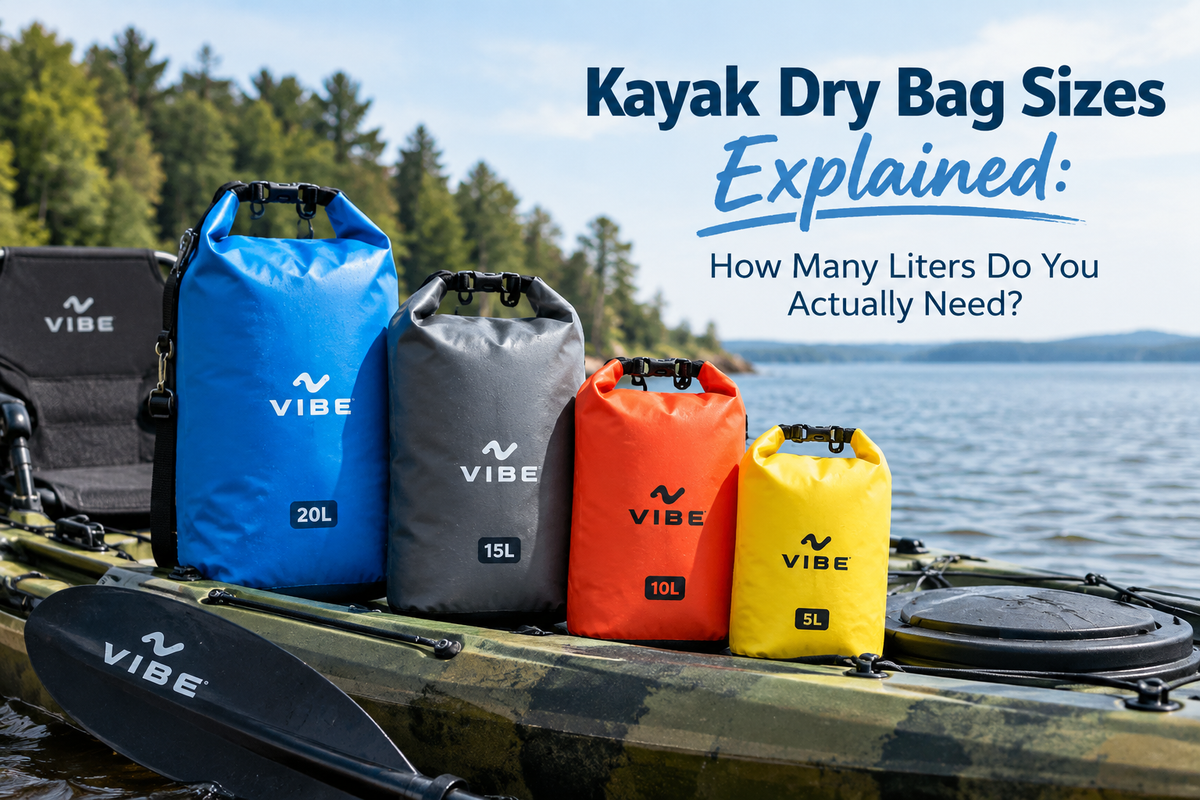
If you have ever pulled a soggy phone or a waterlogged sandwich out of your cockpit, you already know why kayak dry bags belong on every paddling checklist. But picking the right size is not always obvious. Do you need a compact 10L dry bag for a short paddle, or a roomy 20L dry bag for an overnight trip? This guide breaks down dry bag capacity by liter so you can match the bag to the adventure, not the other way around.
Why Dry Bag Size Matters for Kayak Gear Storage
A dry bag that is too small forces you to leave gear behind or overstuff the roll top closure, which weakens the seal. A bag that is too large wastes deck space, throws off your kayak's balance, and adds unnecessary bulk. Getting the size right improves:
-
Waterproof protection for electronics, food, and clothing
-
Weight distribution and paddling stability
-
Storage efficiency inside hatches, tank wells, or on deck lines
-
Overall comfort during day trips and multiday expeditions
Understanding kayak gear storage needs before you buy is the fastest way to avoid a wet, frustrating trip.
Kayak Dry Bag Sizes Chart: A Quick Reference
Liters measure volume, not weight, so think in terms of what actually needs to stay dry. Here is a simple dry bag sizes chart to guide your decision.
-
5L to 10L: Phones, keys, wallets, snacks, and a light jacket
-
15L to 20L: A full change of clothes, a first aid kit, a camera, and lunch for the day
-
30L to 40L: Overnight camping gear, a sleeping bag liner, and extra layers
-
50L and up: Multiday paddling trips requiring a stove, food supply, and sleeping gear
This range covers most recreational and touring kayak needs, from a quick lake paddle to a weekend on the water.
What Fits in a 10L Dry Bag?
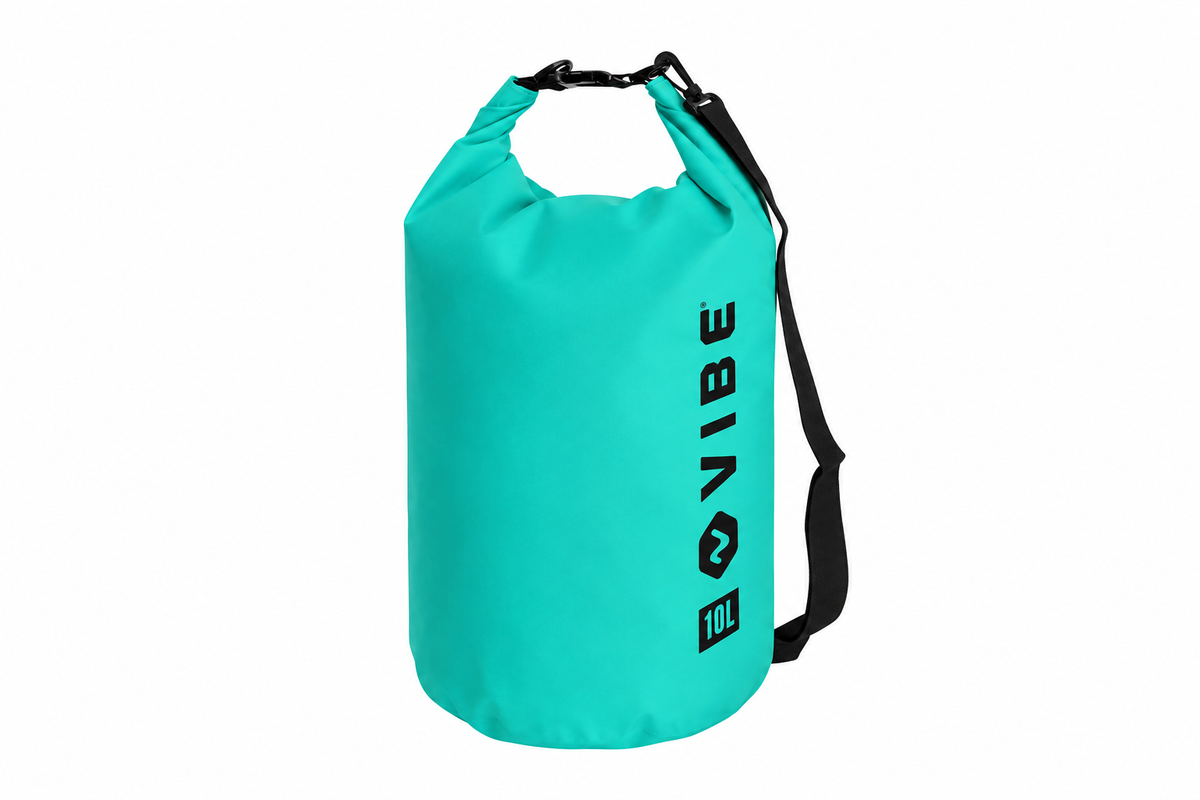
A 10L dry bag is the go to choice for short outings and minimalist packing. It is compact enough to clip onto a deck line without adding drag, yet spacious enough for the essentials.
Typical contents include:
-
Smartphone, car keys, and a wallet
-
Sunscreen and a small first aid kit
-
A light rain jacket or windbreaker
-
Trail mix or a sandwich for a half day paddle
Paddlers who want quick access to essentials, kayak anglers who need a spot for tackle, and beginners testing out watersports storage all benefit from keeping a 10L bag within reach.
What Fits in a 20L Dry Bag?
The 20L dry bag is often called the all rounder of kayak gear storage, and for good reason. It strikes a balance between packability and capacity, making it the most popular size among recreational paddlers.
A 20L bag can typically hold:
-
A full change of clothes plus a towel
-
A packed lunch, snacks, and a refillable water bottle
-
A compact camera or binoculars
-
Extra layers for changing weather conditions
If you are only going to own one dry bag, a 20L option is usually the safest bet for day trips, fishing outings, and casual touring.
Choosing Between 10L, 20L, and Larger Dry Bags
Ask yourself these questions before choosing a size:
- How long is the trip? Short paddles favor smaller bags, while overnight and multiday trips need 30L or more.
- What needs waterproof protection? Electronics and food are compact, while camping gear takes up significantly more volume.
- Where will the bag be stored? Deck lines and small hatches favor compact sizes, while larger kayaks with big tank wells can handle bulkier bags.
- Do you need more than one? Many experienced paddlers carry a 10L bag for essentials and a 20L or larger bag for everything else.
Layering multiple dry bag sizes is a common strategy among experienced paddlers because it keeps gear organized and reduces the risk of one bag getting overloaded.
Tips for Packing Kayak Dry Bags Efficiently
-
Roll, do not fold, to remove trapped air and strengthen the seal
-
Squeeze out excess air before locking the roll top closure
-
Pack heavier items low and toward the center of the kayak
-
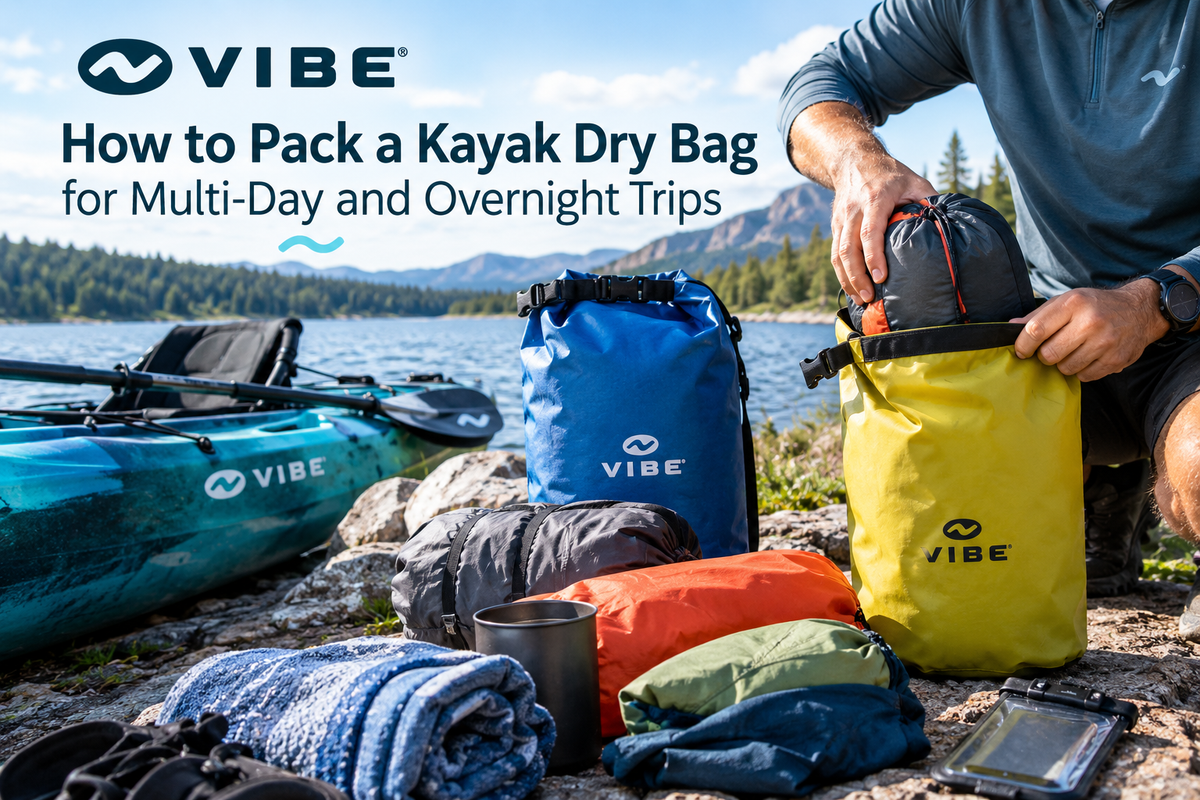
Use smaller bags inside larger ones to organize gear by category
-
Do a dry test at home before your first trip on the water
Final Thoughts
Choosing the right kayak dry bags comes down to matching liter capacity to your trip length and gear list. A 10L dry bag handles the essentials for short paddles, a 20L dry bag covers most day trips comfortably, and larger sizes are built for overnight and multiday adventures. Explore the full range of waterproof, submersible dry bags built for kayak gear storage at Vibe Kayaks, and gear up for your next trip with confidence.
Frequently Asked Questions
1. How many liters do I need for a day trip kayaking?
For most day trips, a 20L dry bag is sufficient to carry a change of clothes, snacks, and small electronics. Paddlers packing light can get by with a 10L dry bag.
2. What is the difference between a 10L and 20L dry bag?
A 10L dry bag is designed for small essentials like phones, keys, and snacks, while a 20L dry bag offers roughly double the capacity, making room for clothing, food, and gear for a full day on the water.
3. Can I use a kayak dry bag for camping gear?
Yes. For overnight or multiday camping trips, a 30L to 50L dry bag is recommended to fit a sleeping bag liner, extra clothing, and food supplies.
4. Are kayak dry bags fully waterproof?
Quality kayak dry bags with a roll top closure are designed to be waterproof and submersible for short periods, protecting gear even if the bag goes underwater briefly.
5. Do I need more than one dry bag size?
Many paddlers carry two sizes, a smaller 10L bag for quick access essentials and a larger 20L or 30L bag for everything else, to keep gear organized and evenly distributed.
 30 days money back guarantee
 Secure and certified online shop
 1000+ Happy customers