
12 Foot Fishing Kayak vs 10 Foot: Which Length Is Right for You?
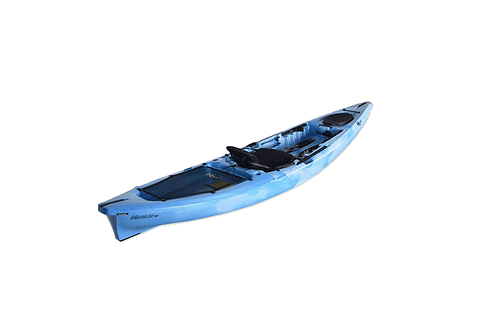
Choosing between a 12 foot fishing kayak and a 10 foot model is one of the most common decisions new and upgrading anglers face, and the right answer depends less on which length is "better" and more on where and how you fish. A 12 foot angler kayak generally offers more speed, more storage, and better tracking across open water, while a 10 foot fishing kayak wins on maneuverability, easy solo transport, and comfort in tighter spaces like creeks and narrow coves. This guide breaks down exactly where each length shines so you can match your next kayak to your actual fishing style, not just a spec sheet.
The Core Difference: Speed and Tracking vs Maneuverability
Kayak length has a direct effect on how a boat moves through water. Longer hulls, like a 12 foot fishing kayak, have a longer waterline, which generally means better glide, straighter tracking, and less effort to cover distance. Shorter hulls, like a 10 foot fishing kayak, turn more easily and respond faster in tight quarters, which matters when you are threading through timber, weaving around docks, or fishing narrow creek systems.
Neither length is universally superior. It comes down to trade offs, and those trade offs matter most when matched against the water you actually fish.
When a 12 Foot Fishing Kayak Makes More Sense
1. Open Water and Long Distance Paddling
If most of your trips involve larger lakes, bays, or covering real distance to reach fishing spots, a 12 foot angler kayak holds a clear advantage. The longer hull tracks straighter, glides farther per paddle stroke, and handles wind and chop with more stability than a shorter boat.
2. More Storage and Higher Weight Capacity
Longer kayaks typically offer:
-
More onboard storage for coolers, tackle, and rigging
-
Higher weight capacity, useful for anglers who run heavier electronics or extra gear
-
More deck space for standing, casting, or adding accessories like rod holders and gear tracks
Vibe's 12 foot lineup, including the Yellowfin 120, Marlin 12, Escape 12 Angler, and Enduro 12 Angler Skeg, reflects this focus, with models built around extra storage, tracking speed, and all-day stability for serious fishing missions.
3. Better for Bigger Anglers or Two-Person Trips
A longer, wider hull generally offers a higher weight capacity, which benefits taller or heavier paddlers, or anglers who occasionally bring extra gear or a second passenger.
When a 10 Foot Fishing Kayak Makes More Sense
1. Tight Water and Technical Fishing Spots
If your fishing spots involve narrow creeks, mangrove tunnels, small ponds, or areas with a lot of turning and maneuvering, a shorter hull has a real advantage. A 10 foot fishing kayak turns faster and requires less effort to redirect than a longer boat.
2. Easier Solo Transport
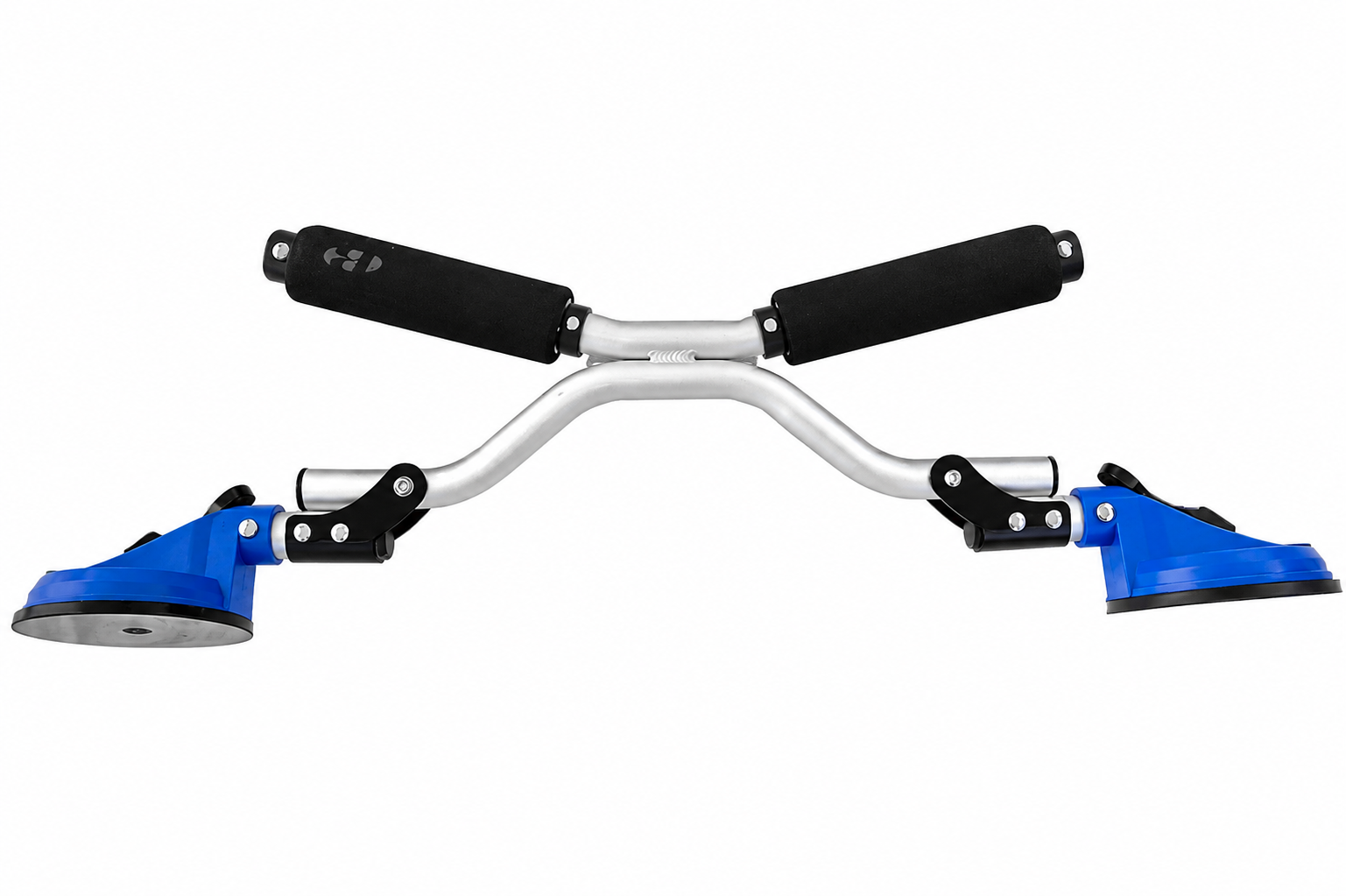
Shorter kayaks are almost always lighter, which makes a meaningful difference for solo paddlers loading a kayak onto a kayak roof rack or truck bed without help. Models like the Vibe Yellowfin 100, whose Yellowfin 100 stability makes it a popular pick for solo anglers, and the Shaka 100 weigh right around 50 to 52 pounds, making them easy to handle alone.
3. Simpler Storage at Home
-
Fits more easily in garages, sheds, or smaller storage spaces
-
Easier to store on wall racks or vertical mounts
-
Lighter to carry from storage to vehicle without assistance
Choosing the right kayak storage solution for your garage or shed can make day to day ownership even easier, regardless of which length you choose.
12 Foot vs 10 Foot Fishing Kayak: Quick Comparison
-
Speed and glide: 12 foot kayaks generally win
-
Maneuverability in tight water: 10 foot kayaks generally win
-
Storage and weight capacity: 12 foot kayaks generally win
-
Solo transport and easy loading: 10 foot kayaks generally win
-
Stability for standing and casting: Both can perform well, though wider 12 foot hulls often edge out slightly more stability at rest
-
Best for beginners: Either length works, but a 10 foot kayak often feels less intimidating to load and launch solo
How to Decide Which Length Fits You
-
Choose a 12 foot fishing kayak if you primarily fish open lakes, bays, or need to cover longer distances, want more storage for gear and electronics, or fish with a partner occasionally.
-
Choose a 10 foot fishing kayak if you fish tighter creeks, ponds, or technical water, transport your kayak solo on a regular basis, or want a lighter, easier to store option.
-
Consider your vehicle and storage space before your fishing style alone, since a kayak that is difficult to transport regularly often gets used less, regardless of on water performance.
Frequently Asked Questions
1. Is a 12 foot fishing kayak better than a 10 foot one?
Neither length is universally better. A 12 foot kayak generally offers more speed, tracking, and storage for open water, while a 10 foot fishing kayak offers easier solo transport and better maneuverability in tight spaces.
2. Is a 12 foot kayak too big for a beginner?
Not necessarily. Many beginners do well in a 12 foot angler kayak because the added stability and storage make the learning curve easier, though a 10 foot kayak can feel less intimidating to load and launch alone.
3. How much weight can a 12 foot fishing kayak hold?
Weight capacity varies by model, but 12 foot fishing kayaks generally offer higher weight capacity than 10 foot models due to their longer, often wider hulls, making them a strong choice for anglers carrying extra gear or electronics.
4. Is a 10 foot fishing kayak good for lakes?
Yes, A 10 foot fishing kayak performs well on calm to moderate lakes, though it may require slightly more paddling effort than a 12 foot kayak when covering long open water distances.
5. Which kayak length is easier to transport alone?
A 10 foot fishing kayak is generally easier to transport solo, since shorter hulls are typically lighter and easier for one person to load onto a roof rack or into a truck bed.
6. Can I go fishing in either a 10 foot or 12 foot kayak?
Yes, Both lengths are well suited for fishing. The right choice depends on your typical water conditions, storage needs, and how often you transport the kayak solo.
 30 days money back guarantee
 Secure and certified online shop
 1000+ Happy customers