
Common Mistakes New Pedal Kayak Owners Make and How to Avoid Them

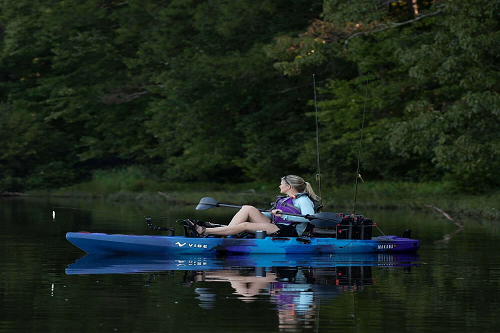
Investing in one of the many Pedal Powered Kayaks for Sale is an exciting step for anglers and outdoor enthusiasts looking to improve their time on the water. Pedal kayaks offer hands-free propulsion, increased efficiency, and enhanced control compared to traditional paddle kayaks. However, many first-time owners make common mistakes that can impact performance, comfort, and overall enjoyment. Understanding these mistakes and learning how to avoid them can help you get the most from your kayak, whether you're using a Vibe Makana 100 Kayak or another pedal-driven model.
Why Learning Proper Pedal Kayak Techniques Matters
Pedal kayaks are designed differently than paddle-only kayaks. They require a basic understanding of pedal-drive operation, weight distribution, and maintenance. Taking the time to learn these fundamentals can improve safety, performance, and the lifespan of your kayak.
Mistake #1: Not Learning How the Pedal Drive Works
Many new owners launch their kayak without fully understanding the pedal-drive system. This can lead to inefficient operation and unnecessary wear on components.
How to Avoid It
-
Read the owner's manual before your first trip.
-
Practice using the pedal drive in calm water.
-
Learn how to maneuver, stop, and reverse if your model allows it.
-
Understand how to raise and lower the drive system when needed.
Mistake #2: Ignoring Weight Capacity and Gear Distribution
Overloading a kayak or placing gear unevenly can affect stability and performance. Even a stable platform like the Makana 100 Kayak performs best when weight is properly distributed.
How to Avoid It
-
Follow the manufacturer's recommended weight limits.
-
Distribute gear evenly throughout the kayak.
-
Secure equipment to prevent shifting while underway.
-
Bring only essential gear for each trip.
Mistake #3: Neglecting Routine Maintenance
The pedal-drive system is one of the most valuable features of a pedal kayak. Failing to maintain it can reduce performance and shorten its lifespan.
How to Avoid It
-
Rinse the kayak after every use, especially after saltwater trips.
-
Check moving parts regularly for wear.
-
Remove debris from the drive system.
-
Follow recommended maintenance guidelines.
Mistake #4: Using the Wrong Water Depth
New pedal kayak owners often forget that pedal-drive systems extend below the hull. Operating in shallow water can damage the drive or reduce efficiency.
How to Avoid It
-
Monitor water depth while traveling.
-
Raise the drive system when entering shallow areas.
-
Use a paddle when navigating extremely shallow water.
Mistake #5: Poor Seat Adjustment
An improperly adjusted seat can cause discomfort and fatigue during long outings.
How to Avoid It
-
Adjust the seat before launching.
-
Maintain a comfortable leg position while pedaling.
-
Test different seating positions to find the best fit.
Mistake #6: Relying Only on the Pedal Drive
Although pedal propulsion is highly efficient, there are situations where a paddle is still useful.
How to Avoid It
Always carry a paddle for:
-
Emergency situations
-
Tight maneuvering areas
-
Extremely shallow water
-
Backup propulsion when needed
Mistake #7: Skipping Safety Equipment
Some new kayak owners focus on accessories and fishing gear while overlooking essential safety items.
How to Avoid It
Always bring:
-
A properly fitted life jacket
-
Whistle or signaling device
-
Communication device
-
Drinking water
-
Basic first-aid supplies
How the Vibe Makana 100 Kayak Helps New Owners
The Vibe Makana 100 Kayak is designed with user-friendly features that help simplify the learning process. Anglers looking for a kayak that balances convenience, comfort, and hands-free propulsion can benefit from exploring what makes this model such a popular choice among today's fishing enthusiasts.
Conclusion
Exploring Pedal Powered Kayaks for Sale opens the door to a more efficient and enjoyable kayaking experience. However, avoiding common mistakes is essential for getting the best performance from your investment. By learning how your pedal-drive system works, maintaining your equipment, practicing proper weight distribution, and prioritizing safety, you can enjoy smoother and more productive days on the water. Whether you're considering a Vibe Makana 100 Kayak or already own a Makana 100 Kayak, following these tips will help you maximize every adventure.
FAQs
1. What is the most common mistake new pedal kayak owners make?
Not learning how to properly operate and maintain the pedal-drive system.
2. Do pedal kayaks require maintenance?
Yes, regular cleaning and inspection help ensure smooth performance and longevity.
3. Can pedal kayaks be used in shallow water?
Yes, but the pedal drive should be raised or removed in very shallow areas.
4. Why is weight distribution important in a pedal kayak?
Proper weight distribution improves stability, tracking, and overall performance.
5. Is the Vibe Makana 100 Kayak suitable for beginners?
Yes, its stable design and user-friendly pedal-drive system make it a great option for new kayak anglers.

 30 days money back guarantee
 Secure and certified online shop
 1000+ Happy customers