
How to Plan Your First Kayaking Vacation: A Beginner’s Guide
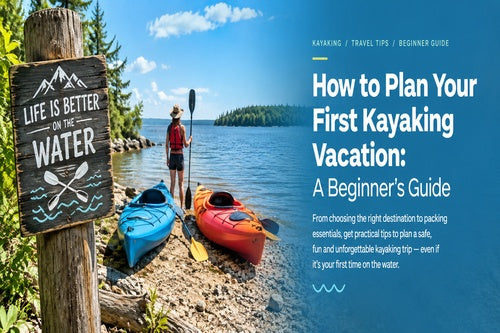
Learning how to plan your first kayaking vacation starts with choosing a destination that matches your experience, setting a realistic budget, and preparing for the conditions you will encounter on the water. Whether you imagine paddling across a peaceful lake, exploring coastal waterways, or combining kayaking with a weekend getaway, the right preparation can make your trip more enjoyable and less stressful. The growing popularity of the kayak tourism experience reflects the appeal of exploring scenic waterways, discovering wildlife, and enjoying outdoor adventures at a slower pace.
Unlike a conventional vacation built around hotels and sightseeing, a kayaking vacation revolves around access to the water, weather conditions, launch locations, equipment, and your paddling ability. Even a short trip benefits from thoughtful planning.

From quiet freshwater lakes to coastal estuaries and scenic rivers, kayaking allows you to experience destinations from a different perspective. This guide explains how to organize your first kayaking vacation, avoid common planning mistakes, and choose equipment that suits your travel style.
1. Decide What Kind of Kayaking Vacation You Want
Before comparing destinations or booking accommodation, decide what you want from the experience. Your preferred activities will influence the location, equipment, budget, and amount of preparation required.
1. Relaxed Lake Getaway
Calm lakes and sheltered waterways can be suitable starting points for beginners when weather, boat traffic, and local conditions are favorable. You can plan a few hours of paddling each day while spending the rest of your trip enjoying nearby parks, trails, restaurants, or accommodation.
Look for destinations with established launch areas, nearby facilities, and rental operators that provide beginner instruction.
2. Coastal Kayaking Adventure
Coastal kayaking offers opportunities to explore bays, marshes, protected coves, and wildlife habitats. However, coastal conditions can change quickly. Wind, tides, currents, waves, and water temperature all affect trip difficulty.
For your first coastal experience, consider a guided trip in a protected area instead of attempting an exposed route independently.
3. River Kayaking Trip
A river vacation may combine paddling with camping, hiking, or visits to small towns. Before selecting a route, research current speed, water levels, obstacles, dams, access points, and takeout locations.
Not every river is suitable for beginners. Choose a route appropriate for your abilities, and seek qualified local guidance when conditions or navigation are unfamiliar.
4. Kayak Fishing Vacation
If fishing is part of your ideal getaway, consider destinations with suitable fishing access, applicable licenses, and opportunities to target the species you enjoy. You will also need room for fishing equipment, tackle, food, water, and safety gear.
A fishing kayak may offer useful storage and equipment-mounting options, but the right model depends on the waterway, load, and transportation requirements.
5. Multi-Day Kayaking and Camping
Overnight paddling trips involve additional logistics, including shelter, sleeping equipment, food, drinking water, campsite reservations, waste management, and a plan for emergencies.
Beginners should first develop basic paddling and self-rescue skills before attempting a remote or demanding overnight route. A short, supported trip on sheltered water is a more sensible starting point.
2. Choose a Beginner-Friendly Kayaking Destination
The best kayaking destination is not necessarily the most famous one. It is the place where the conditions, access, available services, and activities match your experience.
When comparing locations, consider these factors:
- Water conditions: Look for sheltered water and manageable conditions appropriate for your skill level.
- Access points: Confirm where you can launch, park, rent equipment, and exit the water.
- Rental and guide services: Local outfitters can help beginners choose equipment and understand local hazards.
- Nearby accommodation: Check the distance between your lodging and the launch point.
- Season and weather: Research typical conditions, seasonal closures, water temperatures, and local hazards.
- Permits and restrictions: Confirm launch fees, park rules, campsite requirements, fishing licenses, and protected-area regulations.
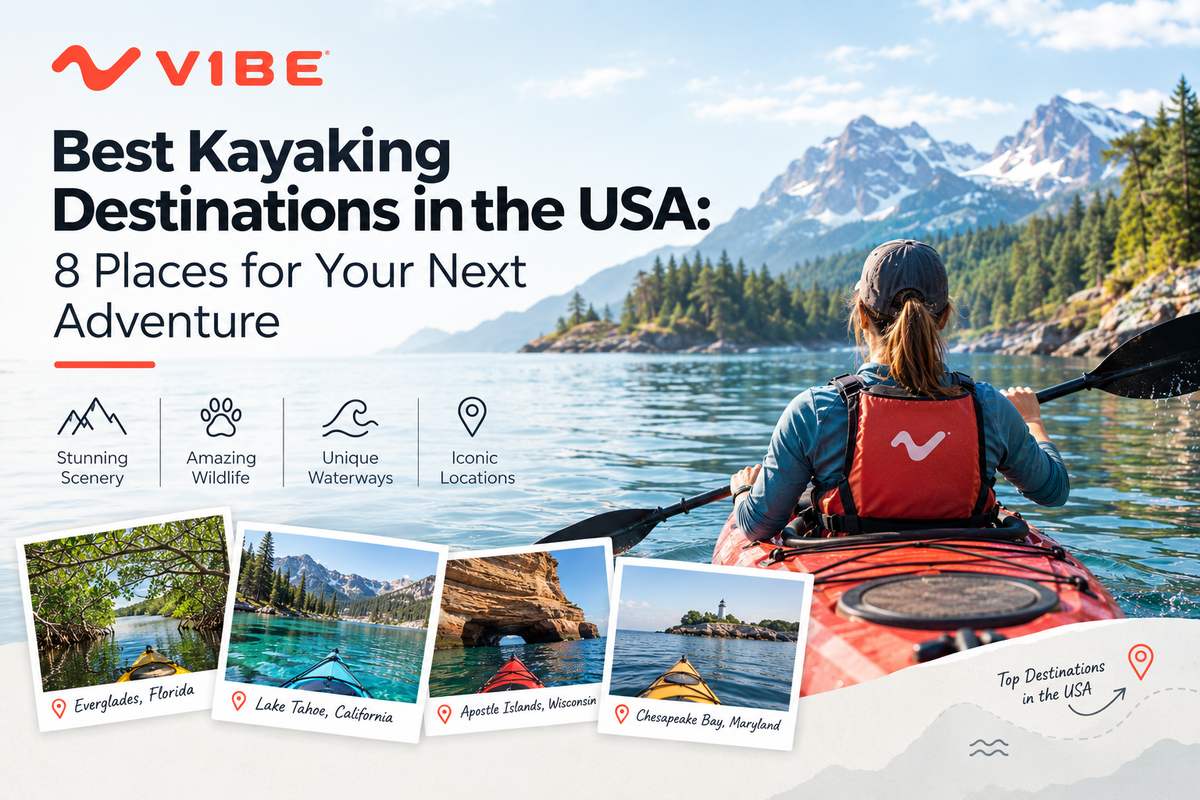
For more destination ideas, compare the locations and paddling experiences featured in our guide to the best kayaking destinations in the USA. Research the specific waterway you intend to visit, since conditions can differ significantly even within the same destination.

U.S. Destinations to Consider for Your First Trip
The following places offer different vacation styles. Conditions vary by season and location, so research the specific route before launching.
1. Lake Tahoe, California and Nevada: Known for clear water and mountain scenery, Lake Tahoe can be appealing for scenic paddling. However, winds, cold water, and rapidly changing conditions mean beginners should choose protected areas and check local guidance carefully.
2. Florida's protected springs and waterways: Florida offers freshwater springs, shaded waterways, and wildlife-viewing opportunities. Check access rules, current conditions, wildlife guidance, and any restrictions before choosing a route.
3. The San Juan Islands, Washington: These islands offer memorable coastal scenery and marine wildlife opportunities. Cold water, currents, wind, and changing weather make guided excursions a sensible option for many first-time visitors.
4. The Boundary Waters Canoe Area Wilderness, Minnesota: This region is attractive for wilderness travel and multi-day paddling, but remote routes, portages, weather, and camping requirements can make it challenging for inexperienced visitors. Consider your skills and trip support carefully before booking.
5. Local state parks and regional lakes: Do not overlook destinations close to home. A nearby lake with rentals, easy access, and beginner instruction may provide a better first kayaking vacation than a more demanding destination far away.
3. Pick the Right Time of Year
Seasonality affects water temperature, weather, crowds, accommodation prices, rental availability, and the amount of daylight available for paddling.
Spring can offer quieter destinations, but cold water and unpredictable weather require careful planning. Summer generally provides longer days and more vacation options, although popular locations may be busy and afternoon storms can affect plans. Fall can bring attractive scenery and fewer crowds in some regions, but shorter days and cooler temperatures may require additional clothing and flexibility.
Winter kayaking is best approached only where conditions, equipment, local guidance, and your skills make it appropriate.
Rather than relying on seasonal averages alone, check the forecast immediately before departure and again on the day of your trip. Research local water conditions, advisories, tides, currents, and any seasonal hazards.
Planning tip: If your dates are flexible, compare accommodation and rental availability across several weeks. Choose the travel window that balances suitable conditions, affordability, and access to the activities you want.
4. Set a Realistic Kayaking Vacation Budget
A kayaking vacation can be an affordable weekend outing or a more expensive trip involving flights, lodging, guides, equipment, and transportation. Build your budget before making nonrefundable reservations.
|
Expense |
What to Include |
|
Transportation |
Fuel, flights, parking, tolls, and transporting a kayak |
|
Accommodation |
Hotels, cabins, campgrounds, or other lodging |
|
Kayak access |
Rentals, guided tours, launch fees, or permits |
|
Equipment |
PFD, paddle, appropriate clothing, dry storage, and navigation tools |
|
Food and water |
Meals, snacks, drinking water, and any required water treatment |
|
Activities |
Fishing licenses, park admission, tours, or other excursions |
|
Emergency reserve |
Unexpected accommodation, transport, or weather-related costs |
Prices vary significantly by destination and season. Request a full rental or tour quote before booking, and check what the provider includes. A guided excursion may include a kayak, paddle, PFD, and instruction, while other operators charge separately for certain equipment.
Keep a reserve for weather delays or changes in travel plans. On a kayaking vacation, flexibility is not just convenient; it can also be an important safety measure.
5. Decide Whether to Rent a Kayak or Bring Your Own
For a first vacation, renting can reduce the amount of equipment you need to purchase and transport. Buying or bringing your own kayak may make sense if you plan to paddle regularly, have specific equipment preferences, or want to explore multiple destinations over time.
When Renting Makes Sense
Renting is often practical when you are flying to your destination, trying kayaking for the first time, or planning only one or two outings. A reputable outfitter can help you select a suitable kayak, explain local conditions, and provide basic instruction.
Before booking, ask about the kayak type, weight capacity, included safety equipment, launch arrangements, return times, and cancellation policy.
When Bringing Your Own Kayak Makes Sense
Your own kayak can provide familiarity and consistency. You can prepare your seating, storage, and accessories in advance, which may be useful for repeated trips or specialized activities.
However, transport and storage require planning. Confirm airline or carrier restrictions, vehicle-rack compatibility, accommodation policies, and whether your destination has appropriate launch access.
How to Choose the Right Kayak
Match the kayak to your planned activities rather than choosing based on appearance alone. Consider:
- Stability: Choose a design appropriate for your balance, experience, and expected water conditions.
- Weight capacity: Include the paddler, clothing, water, food, and all equipment.
- Storage: Longer trips generally require more organized storage than short recreational outings.
- Portability: Consider vehicle transport, carrying distance, storage space, and launch access.
- Comfort: Seating, legroom, and your ability to paddle for the intended duration matter.
- Waterway suitability: A kayak designed for sheltered lakes may not be appropriate for exposed coastal waters or challenging rivers.
When comparing kayak designs, it helps to consider the type of paddling you expect to do most often. Vibe Kayaks offers a range of kayak options for recreational paddling and fishing, which you can review on the Vibe Kayaks website as part of your equipment research.
Remember that a kayak's stated weight capacity is not a guarantee that it is suitable for every load or water condition. Follow the manufacturer's guidance and leave an appropriate margin for equipment and changing circumstances.

6. Book Accommodation, Rentals, and Transportation Early
Once you have chosen a destination and travel dates, organize the practical details that determine how smoothly your vacation will run.
If you plan to rent a kayak or book a guided tour, check availability and cancellation policies before finalizing the rest of your itinerary. Popular destinations may have limited rental inventory during busy periods.
Choose accommodation based on more than its distance from the water. Confirm whether it offers secure equipment storage, parking, early access for morning launches, and suitable arrangements for wet clothing and gear.
For point-to-point paddling trips, plan how you will return to your vehicle or accommodation. You may need a shuttle service, a second vehicle, or a route that returns to the launch point. Do not assume that every shoreline or landing area is publicly accessible.
Build some flexibility into your schedule. A delayed launch, unexpected weather change, or temporary access restriction should not force you to paddle in unsafe conditions simply to stay on schedule.
7. Prepare a Kayaking Vacation Packing Checklist
Packing for kayaking requires a balance between comfort, safety, and keeping equipment manageable. What you need depends on the destination, trip duration, forecast, and whether you are renting equipment or bringing your own.
Essential Kayaking Equipment
- A suitable kayak and paddle, or confirmed rental arrangements.
- A properly fitted, appropriately approved personal flotation device (PFD).
- Water-resistant or waterproof storage for important belongings.
- Drinking water and food appropriate for the trip.
- Weather-appropriate clothing and footwear.
- Sun protection, including sunscreen, sunglasses, and a suitable hat.
- A communication device protected from water.
- Navigation equipment appropriate for the route.
- A first-aid kit and any personal essentials.
- Required signaling equipment, lights, and other locally mandated safety items.
For overnight trips, add shelter, sleeping equipment, extra clothing, meal supplies, waste-storage equipment, and any water-treatment equipment needed for your itinerary.
A practical dry-bag packing approach for multi-day kayak trips can help keep clothing, food, and essential equipment organized. Pack critical items in a way that allows you to reach them without unloading the entire kayak.
Keep essential safety equipment accessible and secure all loose items. Do not overload the kayak or allow equipment to interfere with your movement, visibility, or ability to exit the boat.
8. Plan for Safety Before You Launch
A successful kayaking vacation depends on knowing when to paddle, when to change plans, and when to stay off the water.
Start by choosing a route that matches your skills. Beginners should avoid unfamiliar remote waterways, strong currents, challenging rapids, and exposed coastal routes unless they have the appropriate training and qualified support.
Wear your PFD whenever you are on the water. Check that it fits properly and is suitable for your activity. Carry the required safety and signaling equipment, and learn how to use it before the trip.
Check Conditions and Know Your Limits
Review the weather forecast, wind, water temperature, tides, currents, water levels, and local advisories. Conditions can change after you launch, so establish clear limits for turning back or postponing the trip.
Do not assume that warm air means warm water or that calm conditions at the launch point will remain calm farther along the route.
Leave a Float Plan
Tell a trusted person where you intend to paddle, when you expect to depart and return, and whom to contact if you fail to check in. Include your route, launch and takeout points, group details, and relevant emergency information.
The U.S. Coast Guard explains the value of sharing a float plan before departure.
Consider a Guide for Unfamiliar Waters
A qualified local guide can help beginners understand route conditions, wildlife considerations, launch locations, and local hazards. Guided paddling is particularly worth considering for coastal trips or destinations where currents, tides, or changing water levels affect route selection.
For additional preparation, consult the National Park Service's kayaking and kayak safety guidance and follow the rules of the specific waterway or protected area you visit.
9. Build a Flexible Itinerary Instead of Overplanning
It can be tempting to fill every day with long paddles and sightseeing, especially when visiting a destination for the first time. For beginners, a flexible itinerary is often more enjoyable.
A simple three-day kayaking vacation could look like this:
|
Day |
Suggested Plan |
Planning Priority |
|
Jour 1 |
Arrive, collect rental equipment, review local guidance, and take a short introductory paddle if conditions allow |
Familiarization and preparation |
|
Day 2 |
Complete a planned kayaking route suited to your experience |
Main paddling day |
|
Day 3 |
Choose a short paddle, visit a nearby attraction, or enjoy a weather-dependent alternative |
Flexibility and departure planning |
Treat this as an example rather than a fixed schedule. Route distance and paddling time should be based on your skills, group, water conditions, and access arrangements.
Allow time for breaks, meals, changing clothes, loading equipment, and traveling between locations. If the forecast becomes unfavorable, replace the paddling activity with a land-based alternative rather than pushing ahead.
10. Avoid These Common First-Time Kayaking Vacation Mistakes
Choosing a destination based only on photographs: Beautiful scenery does not guarantee suitable conditions. Research the specific route, launch access, and expected hazards.
1. Underestimating the weather: Wind, waves, currents, storms, and cold water can turn an easy outing into a demanding one. Check current conditions and have a clear alternative plan.
2. Packing too much: Excess gear adds weight and can make loading, carrying, and handling the kayak more difficult. Prioritize essentials and stay within the manufacturer's capacity guidance.
3. Booking without checking what is included: Rental packages and guided tours differ. Confirm equipment, instruction, transportation, fees, and cancellation terms.
4. Planning a route beyond your ability: Choose a manageable trip and build experience gradually. A vacation should not be the first time you attempt a demanding route or practice an unfamiliar rescue technique.
5. Ignoring local regulations: Check launch restrictions, permits, wildlife protections, fishing rules, camping requirements, and any rules for the waterway.
6. Leaving no backup plan: Have an alternative activity, a way to communicate changes, and a plan for returning safely if conditions deteriorate.
11. Respect the Environment You Came to Explore
Responsible kayaking helps protect the waterways and wildlife that make these destinations special.
Keep a respectful distance from wildlife, avoid sensitive habitats, follow designated routes and landing restrictions, and never feed wild animals. Pack out your rubbish and manage food, wastewater, and human waste according to local requirements.
Use established launch points and campsites where available. Before visiting protected areas, check for seasonal closures, fire restrictions, and other site-specific rules.
The Leave No Trace principles offer practical guidance for reducing your impact outdoors.
Your First Kayaking Vacation: Final Checklist
Before leaving home, confirm that you have:
- Choose a destination and route appropriate for your experience.
- Checked weather, water conditions, access, and local regulations.
- Booked accommodation, rentals, tours, and transportation as needed.
- Selected a suitable kayak or confirmed the rental equipment.
- Packed a properly fitted PFD, essential safety gear, water, and food.
- Organized clothing and personal belongings in secure storage.
- Share your itinerary and expected return time with a trusted person.
- Identified an alternative plan if conditions change.
When these essentials are covered, you can focus on enjoying the water instead of solving preventable problems along the way.
Start Planning Your Next Kayaking Adventure
Your first kayaking vacation does not need to be complicated. Choose a destination that suits your abilities, organize the essential logistics, prepare for changing conditions, and leave room to enjoy the experience at your own pace.
When you are ready to compare options for your next trip, browse the kayak collection to evaluate different designs, storage options, and intended uses. Choose a kayak based on your planned waterways, equipment load, transport arrangements, and paddling experience.
With thoughtful preparation and a flexible plan, your first kayaking vacation can be the start of many more days exploring America's waterways.
Questions fréquemment posées
1. How do I plan my first kayaking vacation?
Start by choosing a beginner-appropriate destination and route. Set a budget, check seasonal conditions, arrange accommodation and kayak rentals if needed, and prepare essential equipment. Review local rules, wear a PFD, and share your itinerary with a trusted person before launching.
2. Where should beginners go for a kayaking vacation in the USA?
Beginners can consider sheltered lakes, protected bays, and established recreational paddling areas with accessible launch points and rental or guide services. Lake Tahoe, selected Florida waterways, and local state parks may offer options, but suitability depends on the exact location, weather, and water conditions.
3. Is it better to rent or buy a kayak for a vacation?
Renting is often practical for a first trip, a fly-in vacation, or an occasional outing. Buying or bringing your own kayak may make more sense if you paddle regularly or need equipment tailored to your activities. Compare transport costs, rental fees, storage, and intended use before deciding.
4. What should I pack for a kayaking vacation?
Bring a suitable PFD, paddle or confirmed rental arrangements, drinking water, food, weather-appropriate clothing, sun protection, water-resistant storage, communication equipment, navigation tools, and appropriate safety supplies. Overnight trips require additional shelter, sleeping gear, meals, and camping equipment.
5. Is kayaking safe for beginners?
Kayaking can be an enjoyable activity for beginners when the route, conditions, and equipment match their abilities. Learn basic paddling and self-rescue skills, wear a properly fitted PFD, check weather and water conditions, and consider qualified instruction or a guided trip.
6. How many days do I need for a kayaking vacation?
A weekend can provide enough time for an introductory paddling experience, while three to five days may allow more time for exploring a destination. Longer trips require additional planning for supplies, route logistics, weather, and overnight arrangements. Choose a schedule based on your experience and the specific waterway.
7. Can I combine kayaking with camping or fishing?
Yes. Kayaking vacations can include camping, fishing, wildlife watching, and other outdoor activities. Each activity adds planning requirements, such as camping permissions, fishing licenses, equipment, food storage, and additional safety considerations. Start with a manageable itinerary and confirm local regulations.

 Satisfait ou remboursé sous 30 jours
 Boutique en ligne sécurisée et certifiée
 Plus de 1000 clients satisfaits