
Kayak Tourism in 2026: 9 Trends, Best US Destinations & Travel Tips

Kayak tourism offers a memorable way to explore scenic waterways, discover wildlife, and enjoy outdoor adventures at your own pace. From peaceful lake paddles to coastal excursions and multi-day camping trips, kayaking gives travelers a closer connection to their surroundings. Choosing suitable equipment is part of planning a successful trip, and exploring kayaks for different paddling styles can help you find options for your next adventure.
As travelers seek experiences beyond traditional sightseeing, kayaking provides opportunities to explore places that can be difficult to reach from the road. A successful trip depends on choosing the right waterway, understanding local conditions, packing carefully, and respecting the environment.
What is Kayak Tourism?
Kayak tourism involves traveling to lakes, rivers, bays, coastlines, and other waterways for recreational paddling, sightseeing, wildlife observation, fishing, camping, or guided excursions.
Some travelers book a short guided paddle during a vacation, while others plan an entire trip around a multi-day kayaking route. Activities can range from a quiet morning on a lake to a coastal expedition requiring navigation skills and careful weather planning.
Kayak tourism can also support local guides, outfitters, campgrounds, and small businesses. Responsible visitors help protect these destinations by following local regulations, avoiding wildlife disturbance, and leaving waterways clean.
9 Kayak Tourism Trends to Watch in 2026
1. Guided Kayak Tours for Beginners
Guided tours make kayaking more accessible to travelers who are unfamiliar with a destination. Local guides may provide route planning, equipment, basic paddling instruction, and information about tides, currents, wildlife, or local history.
Tours can focus on sunrise paddles, birdwatching, coastal scenery, or sheltered river routes. Before booking, ask about the route's difficulty, expected duration, group size, included equipment, guide qualifications, and cancellation policies.
A beginner-friendly tour should match the conditions and abilities of the group rather than simply promise a scenic experience.
2. Kayak Camping and Self-Supported Adventures
Kayak camping combines paddling with overnight stays at designated campsites or permitted backcountry locations. It allows travelers to explore at a slower pace and spend more time away from busy roads and developed areas.
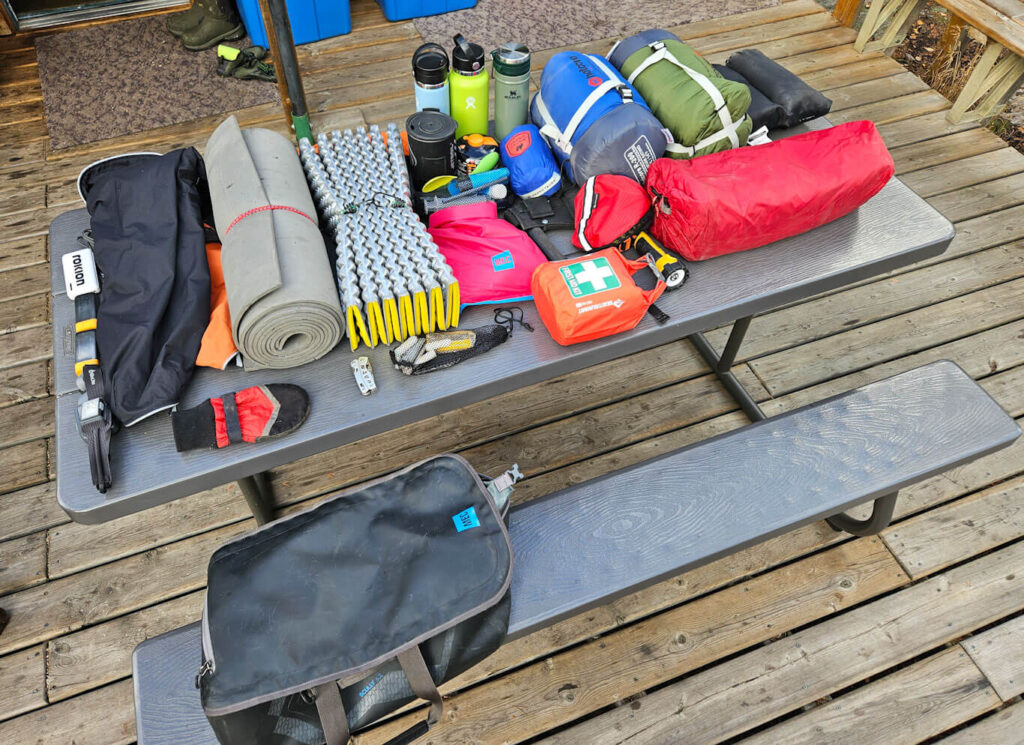
Packing is especially important because food, clothing, shelter, and safety equipment must fit securely in the kayak. Distribute weight evenly, protect essentials in waterproof storage, and keep emergency items easy to reach. Before leaving, learn how to pack a kayak dry bag for multi-day and overnight trips.
Confirm camping permits, water availability, fire restrictions, waste-disposal requirements, and safe landing options. Share your float plan with someone on shore, particularly for remote or overnight routes.
3. Eco-Conscious and Conservation-Minded Travel
Responsible kayaking means recognizing that waterways are living environments, not simply recreational spaces. Travelers can reduce their impact by using established launches, carrying out all trash, avoiding sensitive shorelines, and following local restrictions.
Keep a respectful distance from wildlife and avoid disturbing nesting areas. Clean boats and equipment when appropriate to help prevent the spread of invasive species between waterways.
Before visiting a protected area, review official rules and seasonal closures. The National Park Service's paddling guidance is a useful starting point for researching paddling opportunities and safety considerations.
4. Wildlife Observation and Kayak Photography
Kayaks offer a low-profile way to observe landscapes and wildlife, making them attractive to nature photographers and birdwatchers. Quiet movement can provide opportunities to photograph wetlands, birds, shorelines, and changing light.
Bring a waterproof camera case or dry bag, secure equipment appropriately, and avoid approaching wildlife too closely for a photograph. Binoculars or a zoom lens can help you observe animals while maintaining a safe distance.
Choose a calm route that suits your experience and allow enough time to return safely. Wildlife photography should never take priority over navigation, weather awareness, or safe control of the kayak.
5. Urban Kayaking and Waterfront Exploration
Urban kayaking offers another way to experience a city. Depending on local access and regulations, paddlers may explore designated waterways, waterfront parks, historic bridges, and protected sections of rivers or bays.
These trips can combine outdoor recreation with local sightseeing, but city waterways are not automatically easy. Motorized traffic, commercial vessels, currents, debris, restricted areas, and changing weather can create hazards.
Check launch locations and local regulations before arriving. If you are unfamiliar with the waterway, consider a guided trip or a sheltered route with clearly defined access points.
6. Kayak Fishing Trips
Fishing is a major reason some travelers plan a kayaking vacation. A fishing kayak can help anglers reach quiet shorelines, shallow areas, and locations that may be less accessible from larger boats.
Plan around the species and conditions at your destination. Research fishing licenses, seasonal limits, protected waters, and local catch regulations before traveling. Also consider storage, seating comfort, stability, and how you will transport the kayak.
If fishing is a central part of your trip, explore these top fishing kayaks for stability and performance to understand the features that may matter for different fishing environments.
7. Weekend Getaways and Short Outdoor Escapes
Not every kayaking trip requires a long vacation. Weekend escapes and day trips let travelers explore nearby lakes, rivers, and coastlines without organizing a multi-day expedition.
For a short outing, choose a route that leaves enough time to return before darkness or changing weather becomes a concern. Check access hours, parking, launch fees, and whether you need a shuttle between launch and landing points.
A well-planned local paddle can also help beginners build experience before attempting longer trips in unfamiliar waters.
8. More Thoughtful, Low-Impact Travel
Kayaking can bring travelers closer to nature, but responsible travel requires more than choosing a non-motorized craft. Crowded launch sites, sensitive habitats, and poorly managed waste can still affect local environments.
Use established access points, follow posted restrictions, pack out trash, and camp only where permitted. Avoid landing on fragile shorelines or entering protected areas without authorization.
Respectful paddling helps preserve the places that make kayak tourism appealing for future visitors.
9. Better Trip Planning Through Local Knowledge
A successful kayaking vacation depends on more than finding a beautiful destination. Local guides, outfitters, park staff, and experienced paddlers can provide useful information about launches, hazards, seasonal access, and route conditions.
Use current forecasts and local advisories rather than relying only on old reviews or travel photographs. Wind, rainfall, tides, water levels, and boat traffic can change conditions significantly.
Plan an alternate route and identify safe landing points before launching. Be prepared to postpone or cancel a trip if the conditions exceed your experience or equipment.
5 of the Best Kayaking Destinations in the USA
The United States offers a wide range of paddling environments, from subtropical wetlands to alpine lakes and protected coastal waters. These five destinations illustrate different kinds of kayak tourism. The right choice depends on your experience, the season, and your preferred conditions.
1. Everglades National Park, Florida
The Everglades offers a distinctive paddling environment of mangrove tunnels, wetlands, and waterways rich in wildlife. Routes vary in length and difficulty, so visitors should select one that suits their experience and check current park guidance before launching.
Best for: Nature observation, birdwatching, and guided paddling.
Planning tip: Review park conditions, insect protection, weather, and route information before traveling. Keep a respectful distance from wildlife and take extra care when navigating unfamiliar waterways.

2. Lake Tahoe, California and Nevada
Lake Tahoe is known for clear water, mountain scenery, and shoreline views. It can be attractive to travelers looking for a scenic day paddle, although cold water, wind, and changing conditions deserve serious attention.
Best for: Scenic lake paddles and photography.
Planning tip: Check the forecast before launching, carry appropriate safety equipment, and avoid venturing far offshore when wind or waves increase. Water temperatures can remain cold even during warm weather.

3. Apostle Islands National Lakeshore, Wisconsin
The Apostle Islands area features Lake Superior shoreline, islands, and striking coastal scenery. It can offer rewarding paddling for experienced travelers, but Lake Superior's cold water and rapidly changing weather make route selection especially important.
Best for: Coastal scenery and carefully planned island adventures.
Planning tip: Review official safety guidance, consider a qualified local outfitter, and do not treat open-water routes as beginner excursions simply because the distance looks short on a map.
4. Chesapeake Bay, Maryland and Virginia
Chesapeake Bay includes a broad mix of sheltered creeks, marshes, and coastal communities. Depending on the launch point, paddlers can enjoy wildlife observation, quiet-water outings, or more demanding trips across exposed sections.
Best for: Marsh exploration, birdwatching, and varied coastal paddling.
Planning tip: Choose protected routes if you are new to the area, and account for tides, wind, boat traffic, and the distance between safe landing points.

5. Boundary Waters Canoe Area Wilderness, Minnesota
The Boundary Waters is known for its interconnected lakes, forested landscapes, and remote camping experiences. It is especially appealing to travelers who want a backcountry trip rather than a short sightseeing paddle.
Best for: Wilderness travel, camping, and multi-day water routes.
Planning tip: Research permits, portages, campsite rules, weather, and navigation before departure. Pack conservatively and make sure your route and equipment match your group's experience.
Important: Conditions, permits, launch access, and seasonal restrictions can change. Check official destination guidance before finalizing travel plans.

Should You Rent a Kayak or Bring Your Own?
The right choice depends on your destination, the length of your trip, and how often you expect to paddle.
| Consideration | Renting locally | Bringing your own |
|---|---|---|
| Transport | Often simpler when flying or traveling light | Requires a suitable vehicle, rack, trailer, or carrier |
| Equipment | May include a kayak, paddle, and PFD; confirm before booking | Lets you use familiar equipment |
| Model choice | Limited to the outfitter's available fleet | You choose a kayak that fits your needs |
| Cost | Can suit occasional outings | May suit frequent paddlers, depending on transport and other costs |
| Local knowledge | Outfitters may offer route guidance and safety information | You may need to arrange local advice separately |
| Multi-day travel | Availability and permitted routes may limit options | Storage capacity and transport logistics need planning |
For a short trip, renting can be convenient, especially if an outfitter provides suitable equipment and local guidance. If kayaking is a regular hobby or a central part of your vacation, owning a kayak may offer more flexibility.
Before buying, consider where you will paddle, how you will transport and store the kayak, and whether you prefer recreational paddling, fishing, or longer trips. You can compare recreational kayaks for different paddling needs before deciding which style best fits your plans.
How to Choose a Kayak for Travel
There is no single best kayak for every kayaking vacation. A good choice balances the type of water you will explore, the amount of gear you need, your experience, and your transport arrangements.
Consider these factors before choosing:
1. Water conditions: Calm lakes and protected waterways have different requirements from exposed coastlines or large open lakes.
2. Length and handling: Consider tracking, maneuverability, and whether you need to carry or transport the kayak frequently.
3. Weight capacity: Account for the paddler, clothing, food, safety equipment, and other cargo. Stay within the manufacturer's stated limits.
4. Storage: Multi-day trips need room for food, clothing, shelter, and other supplies, all secured so they do not shift.
5. Comfort: Seat support, legroom, and a suitable paddle can make a noticeable difference on longer outings.
6. Transport and storage: Make sure the kayak fits your vehicle setup and that you have a safe place to store it at home.
Experience level: Choose equipment and routes that match your skills, and get instruction before attempting challenging water.
For casual outings on suitable calm water, a recreational kayak may be a practical fit. Travelers who intend to fish should compare fishing-specific features, while remote or exposed routes may require specialist equipment and advanced paddling skills.
Essential Gear for a Kayaking Vacation
The gear you need depends on the location, duration, weather, and local regulations. Start with safety essentials, then add equipment suited to your trip.
Safety essentials
- A properly fitted, appropriate personal flotation device (PFD) for every paddler.
- A whistle or other suitable sound-signaling device.
- A phone or communication device protected from water, accounting for coverage limitations.
- A map or navigation tool appropriate for the route.
- Drinking water, sun protection, and weather-appropriate clothing.
- A first-aid kit and personal necessities.
- A spare paddle when appropriate for the route and conditions.
Gear for day trips and overnight trips
- A dry bag or waterproof storage solution for clothing and essentials.
- Food and sufficient drinking water.
- A rain layer and extra insulating clothing.
- A headlamp or other suitable light if the trip may extend toward dusk.
- Camping equipment and food storage where overnight stays are permitted.
- A repair kit and other trip-specific items suitable for your kayak and destination.
Secure loose equipment so it cannot fall overboard, and keep emergency items accessible. Before leaving, check the kayak, paddle, PFD, forecast, and route-specific equipment requirements.
Kayak Travel Safety: What to Check Before Launching
A destination that looks calm in photographs can become dangerous under different conditions. Good planning means being prepared to change your route or cancel your outing.
1. Check weather and water conditions: Review wind, thunderstorms, water levels, currents, tides, and local advisories.
2. Choose a route that matches your skills: Be realistic about distance, exposure, navigation, and your ability to return safely.
3. Wear your PFD: Choose one designed for paddling and fitted correctly.
4. Tell someone your plan: Share your route, launch point, expected return time, and what they should do if you are overdue.
5. Know local rules: Check access restrictions, permits, launch requirements, and protected areas.
6. Plan an exit: Identify suitable landing points and know when to turn back.
7. Avoid paddling beyond your ability: Large lakes, cold water, strong currents, and exposed coastlines can be hazardous even to confident swimmers.
If conditions deteriorate, prioritize getting to a safe location rather than completing the planned route. Beginners should consider a guided trip or instruction before exploring unfamiliar or challenging waterways.
A Simple Kayak Vacation Planning Checklist
Use this checklist before leaving home:
- Choose a destination and route suitable for your experience.
- Confirm access, permits, launch points, and local restrictions.
- Review the latest forecast and water conditions.
- Arrange a suitable kayak, paddle, and properly fitted PFD.
- Pack water, food, sun protection, and weather-appropriate clothing.
- Secure electronics and clothing in suitable waterproof storage.
- Share your route and return time with someone reliable.
- Identify alternate landing points and a plan for changing conditions.
- Follow local wildlife guidance and leave the area clean.
Plan Your Next Kayaking Adventure
Kayak tourism can turn a simple day on the water into a memorable travel experience, whether you prefer scenic lakes, wildlife-rich wetlands, coastal exploration, fishing, or a carefully planned camping trip. The key is to choose a destination that fits your ability, prepare for local conditions, and travel responsibly.
Start with a manageable route, learn from local experts, and build your experience before attempting longer or more exposed journeys. If you are planning to paddle regularly, explore kayaks for your next adventure and compare options based on your preferred paddling style.
Frequently Asked Questions About Kayak Tourism
1. What is the best time of year for kayak tourism in the USA?
It depends on the destination. Many northern locations are most accessible during warmer months, while some southern areas offer paddling opportunities during cooler seasons. Check local weather, water temperatures, seasonal access, and restrictions before booking.
2. Is kayak tourism suitable for beginners?
Yes, when beginners choose suitable routes and conditions. Calm-water outings or guided tours can be a good starting point. New paddlers should wear a properly fitted PFD, learn basic skills, and avoid exposed or challenging water until they have the necessary experience.
3. What should I look for in a kayaking vacation package?
Check the route, trip length, difficulty level, group size, equipment provided, guide qualifications, cancellation policy, and any additional fees. Confirm whether transportation, meals, permits, and safety equipment are included.
4. Is it better to rent or buy a kayak for a vacation?
Renting is often convenient for occasional trips or air travel. Buying may make more sense if you paddle frequently or want consistent access to a specific style of kayak. Include transport, storage, and maintenance costs in your decision.
5. Can I go kayak camping as a beginner?
Potentially, but start with a short, straightforward trip in suitable conditions, ideally with an experienced partner or qualified guide. Learn basic paddling and rescue skills, check campsite rules, and practice packing your equipment before attempting a remote overnight route.
6. What safety equipment should I bring kayaking?
At minimum, wear an appropriate PFD and carry a suitable signaling device, water, navigation tools, and weather-appropriate clothing. Additional equipment depends on the route, water conditions, local requirements, and how far you will be from help.


 Satisfait ou remboursé sous 30 jours
 Boutique en ligne sécurisée et certifiée
 Plus de 1000 clients satisfaits