
Best Kayaking Destinations in the USA: 8 Places for Your Next Adventure

The best kayaking destinations in the USA offer far more than beautiful views. They let you explore mangrove tunnels, paddle beneath mountain peaks, discover quiet coves, observe wildlife, and experience landscapes that are difficult to appreciate from shore. As kayak tourism continues to inspire outdoor adventures, choosing the right destination depends on your paddling experience, the time of year, local water conditions, and the type of trip you want to take.
If you are planning a kayaking vacation, start by matching the water to your plans. A sheltered lake may suit a relaxed afternoon, while exposed coastlines, cold-water lakes, and remote wilderness routes can require specialized equipment, navigation skills, and careful preparation. Understanding the latest kayak travel trends and destination-planning considerations can help you choose an adventure that fits your interests and experience.
At a Glance: Which Kayaking Destination Is Right for You?
|
Destination |
Best for |
What makes it distinctive |
Key consideration |
|
Everglades National Park, Florida |
Wildlife and mangrove paddling |
Mangrove creeks, marshes, and coastal waterways |
Tides, heat, insects, and route planning |
|
Lake Tahoe, California and Nevada |
Mountain scenery and lake paddling |
Clear water and Sierra Nevada views |
Cold water and changing winds |
|
Apostle Islands, Wisconsin |
Experienced sea kayakers and guided excursions |
Lake Superior shoreline, islands, and sea caves |
Cold water, waves, and changing conditions |
|
Chesapeake Bay, Maryland and Virginia |
Coastal exploration and local history |
Estuaries, creeks, marshes, and working waterfronts |
Boat traffic, tides, and wind |
|
Boundary Waters, Minnesota |
Multi-day wilderness trips |
Connected lakes, forest, and backcountry campsites |
Permits, portages, and self-sufficiency |
|
San Juan Islands, Washington |
Island scenery and marine wildlife |
Rocky shorelines, inlets, and Pacific Northwest landscapes |
Currents, cold water, and exposed crossings |
|
Colorado River near Horseshoe Bend, Arizona |
Desert scenery and guided river trips |
Sandstone cliffs and dramatic canyon landscapes |
Access rules, river conditions, and route logistics |
|
Finger Lakes, New York |
Scenic lake paddling and relaxed getaways |
Long lakes, wooded shores, and small waterfront communities |
Weather, boat traffic, and launch access |
Conditions vary by route and season. A destination that offers calm water in one area may have exposed or hazardous conditions elsewhere. Always check local guidance before launching.
1. Everglades National Park, Florida: Mangroves, Marshes, and Wildlife
The Everglades is one of the most distinctive places for a kayaking vacation because its waterways connect freshwater marshes, mangrove forests, estuaries, and coastal environments. Rather than paddling across one open lake, visitors can follow winding creeks, explore shallow backwaters, and experience a subtropical landscape from water level.
The National Park Service identifies several canoe and kayak routes across the park, including paddling opportunities around Flamingo and the Gulf Coast. Route lengths and difficulty vary, and some sections may become difficult or impassable at low tide. Review the official Everglades canoe and kayak trails information before planning a route.
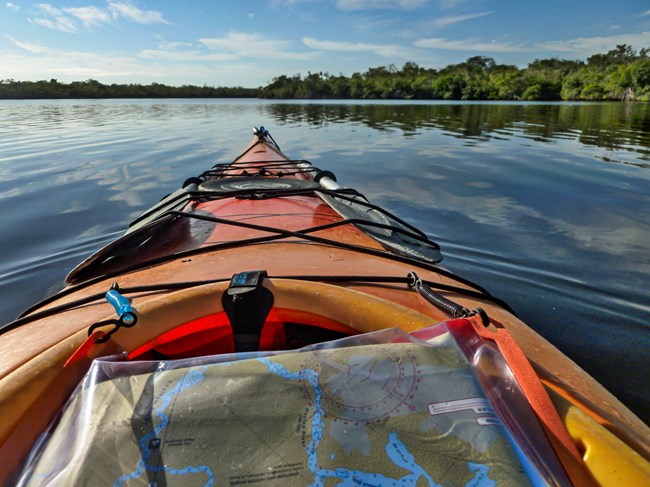
For overnight or multi-day routes, keeping essential items dry is especially important. A well-organized kayak dry bag packing system can help protect clothing, food, and other essentials from splashes and rain.
A short, established route may suit a beginner with suitable conditions, while remote or tidal routes require more planning. Choose according to your skills rather than scenery alone.
2. Lake Tahoe, California and Nevada: Alpine Views and Clear Water
Lake Tahoe combines mountain scenery with strikingly clear water, making it an appealing destination for paddlers who want a scenic lake trip. Its shoreline offers views of the Sierra Nevada, forested slopes, rocky beaches, and coves that can be explored on a day outing.
However, clear water should not be mistaken for warm or safe water. Lake Tahoe is deep, and water temperatures can remain cold even when the air feels pleasant. Wind can also build during the day, turning a peaceful morning into a more demanding paddle.
Lake Tahoe can be a memorable destination for recreational kayaking, but it is not automatically suitable for every beginner. A guided outing or a shorter shoreline route may be the better first choice.

3. Apostle Islands National Lakeshore, Wisconsin: Lake Superior and Sea Caves
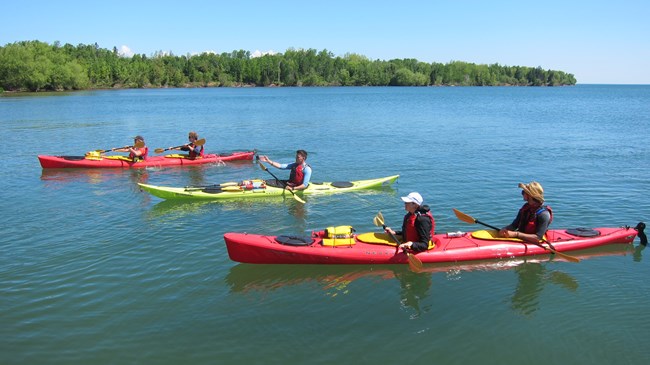
The Apostle Islands offer a dramatic kayaking experience along Lake Superior, with rocky shoreline, forested islands, historic features, and sandstone formations. Sea caves are a major attraction, but they also require serious attention to weather and water conditions.
The National Park Service warns that Lake Superior can remain extremely cold. Average water temperatures in May and June are in the 40s, and surface temperatures rarely exceed 60°F even in late summer. Wind, waves, and visibility can change the risk level quickly. Read the official Apostle Islands kayaking safety guidance before arranging a trip.
4. Chesapeake Bay, Maryland and Virginia: Coastal Towns, Creeks, and Estuaries
The Chesapeake Bay region offers a different kind of kayaking trip: a network of creeks, estuaries, marshes, rivers, and waterfront communities shaped by maritime history. Depending on the launch location, visitors may paddle past wooded shorelines, observe birds, explore quiet tributaries, or see working waterfronts from the water.
Because the bay is extensive, there is no single difficulty level that applies to every route. A protected creek may offer a manageable outing in suitable conditions, while an exposed section of open bay can involve wind, boat wakes, current, and long distances between safe landing points.
For trip planning and visitor information, the National Park Service's Chesapeake Bay resources are a useful starting point for exploring parks and water-based activities in the region.

5. Boundary Waters Canoe Area Wilderness, Minnesota: A Multi-Day Paddling Adventure
For travelers who want to disconnect from busy roads and developed shorelines, the Boundary Waters Canoe Area Wilderness offers an extensive network of lakes, waterways, portages, and designated campsites in northeastern Minnesota. It is particularly appealing for multi-day paddling trips where the journey between lakes is part of the experience.
This is not simply a destination where you rent a kayak and follow a marked loop. Route planning, carrying equipment over portages, managing food, understanding wilderness regulations, and preparing for changing weather are all part of the experience.
What to plan for: The area requires permits. During the May 1–September 30 period, overnight paddle trips and certain other trips require quota permits; additional permit rules apply at other times. Confirm current requirements for your entry point and travel dates through Recreation.gov's Boundary Waters information.
Plan your route and portages realistically, pack essential safety equipment, protect food from wildlife, and leave a trip itinerary with someone who is not traveling with you. If this is your first overnight paddle, consider a shorter route or an experienced outfitter rather than attempting a demanding wilderness itinerary.

6. San Juan Islands, Washington: Pacific Northwest Island Scenery
The San Juan Islands are known for rocky shorelines, sheltered inlets, forested islands, and marine wildlife. Kayaking can provide a close-up view of the region's coastal landscape, but this is a marine environment rather than a simple lake outing.
Tides and currents can affect travel speed and route difficulty. Wind can build across exposed water, and the cold Pacific Northwest environment means that a capsize can become a serious situation even during warmer weather.
For first-time visitors, a guided trip with a route matched to the group's experience can be more appropriate than attempting an exposed crossing independently.
7. Colorado River near Horseshoe Bend, Arizona: Desert Cliffs and Canyon Views
The Colorado River near Horseshoe Bend offers an opportunity to experience towering sandstone cliffs and desert scenery from the water. It is a strong option for travelers who want a landscape that feels very different from a forest lake or coastal estuary.
Trip logistics matter here. Access points, permitted routes, shuttle arrangements, river flow, and the specific section being paddled can change the nature of the outing. A scenic river route should not be assumed to be suitable for an unsupervised beginner simply because the water looks calm in photographs.
If you are unfamiliar with the area, booking with an established local outfitter can help you understand the route's requirements before committing to a trip.

8. Finger Lakes, New York: Scenic Lakes and Relaxed Getaways
The Finger Lakes region is a good choice for travelers who want lake scenery combined with small towns, parks, and other off-water activities. Its long, narrow lakes offer opportunities to explore shorelines, enjoy views of wooded hills, and build a kayaking outing into a longer regional vacation.
Not every section of every lake will feel the same. Some areas have boat traffic, open-water exposure, or limited easy landing points. The most suitable route depends on the lake, launch, forecast, and paddling ability of your group.
The Finger Lakes are particularly appealing when the goal is not an extreme expedition but a flexible trip with time for paddling, sightseeing, and exploring nearby communities.

How to Choose the Best Kayaking Destination for Your Trip
A destination list is useful for inspiration, but the best choice is the one that fits your experience and the kind of trip you can safely manage. Before booking transportation or accommodation, consider these five factors.
1. Match the Water to Your Experience
Calm, sheltered water is generally a more suitable starting point for a new paddler than open coastal water, exposed Great Lakes shorelines, or remote wilderness routes. Rivers may also involve current, obstacles, changing water levels, and hazards that are not obvious from photographs.
Be honest about your skills. If you cannot confidently manage the expected conditions, choose a simpler route or a qualified guide.
2. Choose Your Season Carefully
Weather and water conditions matter as much as scenery. Florida's subtropical heat, cold mountain lakes, Lake Superior's low water temperatures, and the changing conditions of Pacific coastal waters create different planning requirements.
Research typical seasonal conditions, then check the actual forecast and any official advisories shortly before departure. Historical averages are not a guarantee of safe conditions on your travel date.
3. Decide Whether to Rent or Bring Your Own Kayak
Renting can be convenient for a single outing, especially when a local outfitter provides suitable equipment and route advice. Bringing your own kayak can make sense for a road trip, repeated outings, or a destination where you already understand the conditions and launch requirements.
Consider transport, storage, roof-rack compatibility, loading weight, and the kayak's intended use. Before choosing a boat, compare kayaks designed for different paddling styles and check each model's specifications for capacity, dimensions, weight, and intended use.
A fishing kayak, a recreational kayak, and a sea kayak are designed around different priorities. For anglers planning a destination trip, comparing fishing kayaks for stability and performance can help clarify which features matter for carrying fishing gear and handling the intended water conditions.
4. Check Access, Permits, and Local Restrictions
Before departure, confirm launch access, parking, fees, permits, campsite reservations, waterway closures, and rules about wildlife or protected areas. These details can change and may differ between two launch points in the same destination.
Use official park or land-management websites for regulations, and contact local outfitters when route details are unclear. A guide's advice can help with practical decisions, but official authorities remain the source for current park rules and closures.
5. Pack for the Conditions, Not Just the Forecast Temperature
Your equipment should reflect water temperature, remoteness, trip duration, weather, and the consequences of an unexpected capsize. A properly fitted PFD, suitable clothing, navigation, communication, drinking water, sun protection, and a way to signal for help are important starting points.
For longer outings, a carefully planned dry-bag packing setup for overnight kayaking can help keep essential items organized and protected. Keep safety equipment accessible, and do not rely on a phone alone for navigation or emergency communication in areas with limited coverage.
Kayaking Safety: What to Check Before Launching
A beautiful destination does not remove the need for preparation. Conditions can change between the time you plan a trip and the time you reach the launch.
Before setting out:
- Check weather and water conditions: Review wind, waves, currents, water levels, tides where relevant, and any local advisories.
- Wear a properly fitted PFD: Keep it on while paddling rather than treating it as equipment to use only in an emergency.
- Tell someone your plan: Share your route, expected return time, and what they should do if you do not return as expected.
- Carry appropriate safety equipment: Match communication, signaling, navigation, first-aid, and immersion protection to the waterway and trip length.
- Know when to turn back: If wind, waves, visibility, fatigue, or group ability make the route unsafe, change the plan or cancel.
- Respect wildlife and protected areas: Follow access rules, avoid disturbing animals, and pack out all waste.
The National Park Service's Apostle Islands kayaking guidance illustrates why cold water and changing lake conditions require careful judgment. Its Everglades paddling information also shows how tides, water levels, and route complexity can affect trip planning.
Plan Your Next Kayaking Adventure
The best kayaking destinations in the USA offer very different experiences, from the mangrove waterways of Florida to alpine lakes, coastal islands, and remote wilderness routes. Choosing well means looking beyond the view: understand the conditions, match the route to your skills, check local requirements, and carry equipment appropriate for the trip.
Whether you are planning a relaxed lake outing, a multi-day wilderness route, or a fishing-focused adventure, the right kayak depends on your intended water, equipment needs, transport options, and experience. Explore the Vibe Kayaks collection to compare models and review their specifications before choosing a boat.
For broader inspiration on destinations, trip styles, and planning considerations, the Kayak Tourism in 2026 article connects destination research with the wider world of kayaking travel.
Contact Us if you need help identifying the kayak features to compare for your intended paddling style.
Questions fréquemment posées
1. What are the best kayaking destinations in the USA?
Popular choices include Everglades National Park for mangroves and wildlife, Lake Tahoe for mountain scenery, Apostle Islands for sea caves and Lake Superior landscapes, the Chesapeake Bay for coastal exploration, and the Boundary Waters for wilderness trips. The best destination depends on your experience, preferred scenery, season, and tolerance for challenging conditions.
2. Where is the best place to kayak for beginners?
A sheltered lake, calm protected bay, or slow-moving waterway with suitable launch access is often a better starting point than an exposed coastline or remote wilderness route. Choose a location with conditions appropriate to your skills, and consider a guided outing if you are unfamiliar with the area.
3. What is the best time of year to go kayaking in the USA?
There is no single best month nationwide. Warmer southern destinations may offer comfortable paddling during cooler parts of the year, while northern lakes and wilderness routes are often more practical during warmer months. Always check local weather, water temperature, access rules, and seasonal advisories.
4. Do I need to bring my own kayak on a kayaking vacation?
No. Rentals and guided trips can be convenient for occasional outings and unfamiliar destinations. Bringing your own kayak may suit longer road trips or repeated paddling days, provided you can transport it safely and it is appropriate for the intended water conditions.
5. Is sea kayaking suitable for beginners?
Some guided coastal trips are designed for beginners in suitable conditions, but sea kayaking can involve tides, currents, wind, waves, and cold water. Check the route and the guide's requirements before booking. Do not attempt exposed or remote sea routes without the necessary training, equipment, and experience.
6. What should I pack for a kayaking trip?
Start with a properly fitted PFD, suitable clothing, drinking water, sun protection, navigation, communication, and essential safety equipment appropriate to the route. Longer trips may require additional food, shelter, dry storage, and emergency supplies. Use local guidance to build a route-specific checklist.
7. Can I kayak in national parks?
Many national parks and protected areas allow kayaking in designated places, but rules differ. Some routes require permits, some shorelines are closed, and certain areas are suitable only for experienced paddlers or guided trips. Confirm current access and safety information with the managing agency before traveling.


 Satisfait ou remboursé sous 30 jours
 Boutique en ligne sécurisée et certifiée
 Plus de 1000 clients satisfaits