
Freshwater vs. Saltwater Fishing Kayaks: What Anglers Should Know
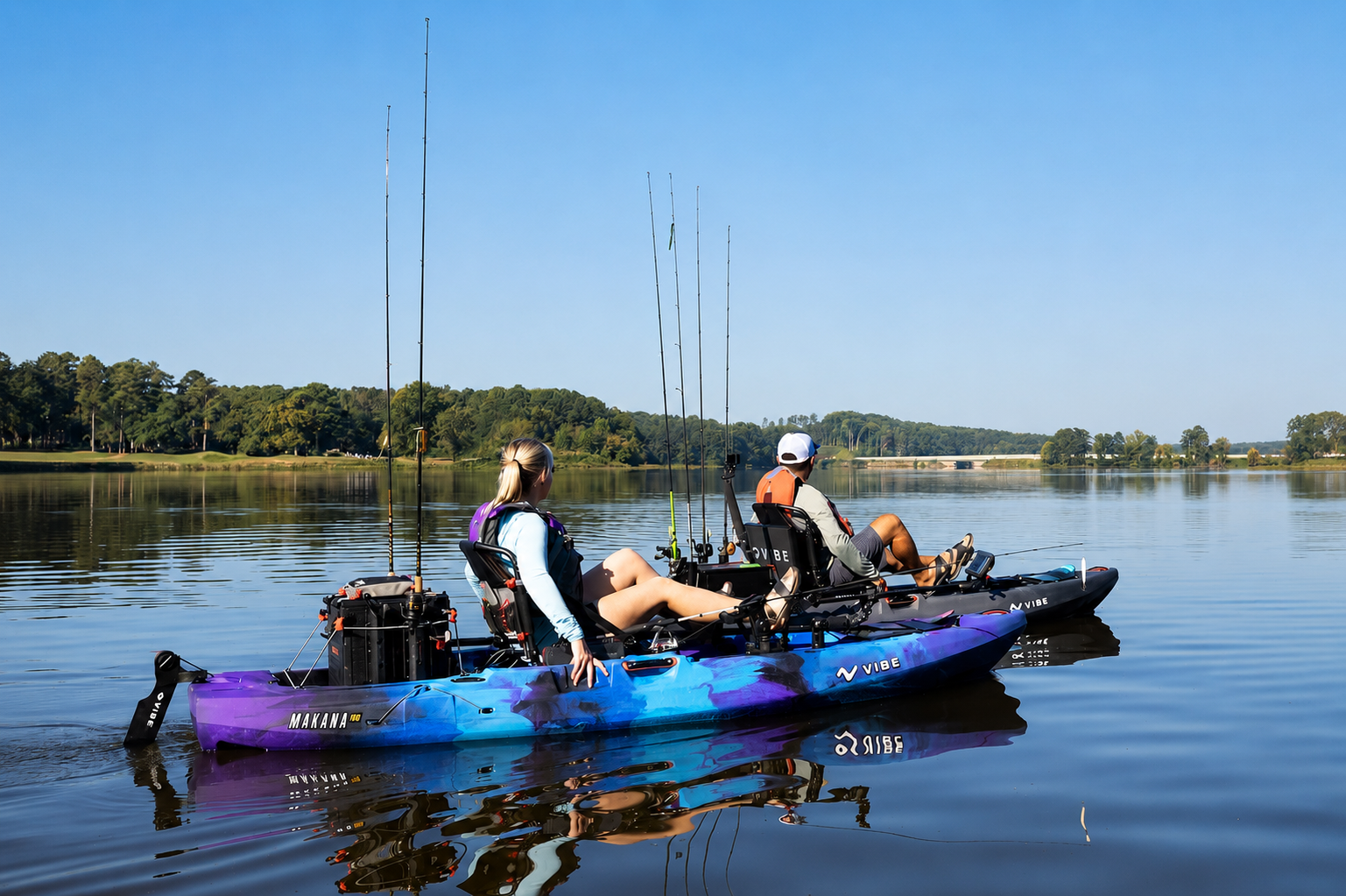
Choosing the right Fishing Kayaks starts with understanding where you plan to fish. Freshwater lakes and rivers present different challenges than coastal bays and saltwater flats, so selecting a kayak that matches your environment can improve comfort, performance, and durability. Whether you are new to kayak fishing or upgrading your setup, knowing the differences between a Freshwater Fishing Kayak and a Saltwater Fishing Kayak will help you make a smarter decision. Versatile models like the Vibe Makana 100 Kayak are designed to perform across multiple waterways, making them an excellent option for anglers who enjoy diverse fishing adventures.
Understanding the Difference Between Freshwater and Saltwater Fishing
Although both environments offer exciting opportunities, they place different demands on your kayak and equipment.
Freshwater Fishing
Freshwater fishing typically takes place in:
-
Lakes
-
Rivers
-
Reservoirs
-
Ponds
-
Streams
These waterways often feature calmer conditions, making maneuverability and stability key considerations.
Saltwater Fishing
Saltwater fishing commonly includes:
-
Coastal bays
-
Estuaries
-
Inshore flats
-
Protected harbors
-
Calm coastal waters
Saltwater environments often involve tides, currents, wind, and corrosive conditions, requiring a kayak that is built for durability.
What to Look for in Fishing Kayaks
Regardless of where you fish, certain features improve the overall kayaking experience.
Look for:
-
Stable hull design
-
Comfortable elevated seating
-
Efficient propulsion system
-
Ample gear storage
-
Easy maneuverability
-
Durable construction
Modern Fishing Kayaks combine these features to support both recreational paddlers and serious anglers.
Choosing a Freshwater Fishing Kayak
A Freshwater Fishing Kayak should prioritize agility and ease of use.
Ideal features include:
1. Lightweight Design
A lighter kayak is easier to transport, launch, and carry between fishing spots.
2. Excellent Maneuverability
Rivers, coves, and smaller lakes often require quick turns and precise handling.
3. Comfortable Seating
Long fishing trips are more enjoyable with an ergonomic seat that reduces fatigue
Compact pedal kayaks have become increasingly popular because they balance portability with fishing performance, especially for anglers exploring inland waters.
Choosing a Saltwater Fishing Kayak
A Saltwater Fishing Kayak should be designed to handle changing conditions and prolonged exposure to saltwater.
Important features include:
1. Corrosion-Resistant Components
Saltwater can accelerate wear on metal parts, making corrosion resistance essential.
2. Stability in Open Water
A stable kayak provides greater confidence when navigating waves, currents, and changing weather.
3. Sufficient Storage
Saltwater anglers often carry additional gear, tackle, and safety equipment.
Routine cleaning after every trip also helps extend the life of your kayak and pedal-drive system.
Why Pedal Kayaks Work Well in Both Environments
The popularity of Pedal Powered Kayaks for Sale continues to grow because they offer several advantages over traditional paddle kayaks.
Benefits include:
-
Hands-free fishing
-
Better boat positioning
-
Reduced upper-body fatigue
-
Greater efficiency
-
Easier navigation
These advantages have contributed to the growing shift toward hands-free fishing experiences, helping anglers spend more time casting and less time managing their kayak.
How the Vibe Makana 100 Kayak Adapts to Different Waters
The Vibe Makana 100 Kayak is designed to deliver versatility across a variety of fishing environments. Whether you're casting in a quiet freshwater lake or exploring protected inshore waters, its compact design and fishing-ready layout provide the control and convenience anglers appreciate.
Notable advantages include:
-
Pedal-powered propulsion
-
Comfortable elevated seating
-
Stable fishing platform
-
Practical storage solutions
-
Easy transportation
These qualities make it an excellent choice for anglers who appreciate the advantages of modern compact fishing kayak designs, especially when portability and performance are equally important.
For anglers searching for Vibe Makana 100 for Sale, this kayak offers a balanced combination of portability, stability, and fishing-ready features that make it suitable for both freshwater and protected saltwater adventures.
Maintenance Tips for Freshwater and Saltwater Kayaks
Proper maintenance keeps your kayak performing at its best.
Follow these simple practices:
-
Rinse your kayak after every outing.
-
Inspect the pedal-drive system regularly.
-
Check hardware for signs of wear.
-
Store the kayak in a dry, shaded location.
-
Clean storage compartments and seating after use.
Developing these habits early can help anglers avoid unnecessary wear and enjoy better long-term performance through proper ownership practices.
Which Fishing Kayak Is Right for You?
Your choice depends on where you spend most of your time fishing. A Freshwater Fishing Kayak is ideal if you primarily fish lakes, rivers, and reservoirs where maneuverability and portability are priorities.
A Saltwater Fishing Kayak is better suited for anglers who frequently fish coastal environments and need additional durability and stability.
If you enjoy both freshwater and inshore fishing, choosing a versatile model like the Vibe Makana 100 Kayak allows you to confidently explore multiple environments without compromising performance.
Conclusion
Choosing the right Fishing Kayaks begins with understanding your preferred fishing environment. Freshwater and saltwater conditions each require specific features, but today's modern fishing kayaks are designed to perform across a variety of waterways. The Vibe Makana 100 Kayak combines portability, stability, and pedal-powered efficiency, making it a practical option for anglers who want versatility on every adventure. By matching your kayak to your fishing style and maintaining it properly, you'll enjoy safer, more productive days on the water.
FAQ
1. Can a fishing kayak be used in both freshwater and saltwater?
Yes. Many modern Fishing Kayaks, including versatile pedal models, are suitable for both environments with proper maintenance.
2. What is the difference between a freshwater fishing kayak and a saltwater fishing kayak?
Freshwater kayaks focus on maneuverability, while saltwater kayaks prioritize durability, stability, and corrosion resistance.
3. Are pedal-powered kayaks good for saltwater fishing?
Yes. They provide hands-free propulsion and improved control, making them ideal for many coastal fishing conditions.
4. Is the Vibe Makana 100 Kayak suitable for different fishing environments?
Yes. The Vibe Makana 100 Kayak is designed to perform well on lakes, rivers, reservoirs, and protected inshore waters.
5. How should I maintain my fishing kayak after saltwater use?
Rinse it thoroughly with fresh water, inspect moving parts, and store it in a clean, dry location.

 Satisfait ou remboursé sous 30 jours
 Boutique en ligne sécurisée et certifiée
 Plus de 1000 clients satisfaits