
Fishing Kayak Maintenance Guide: Keep Your Kayak in Top Shape
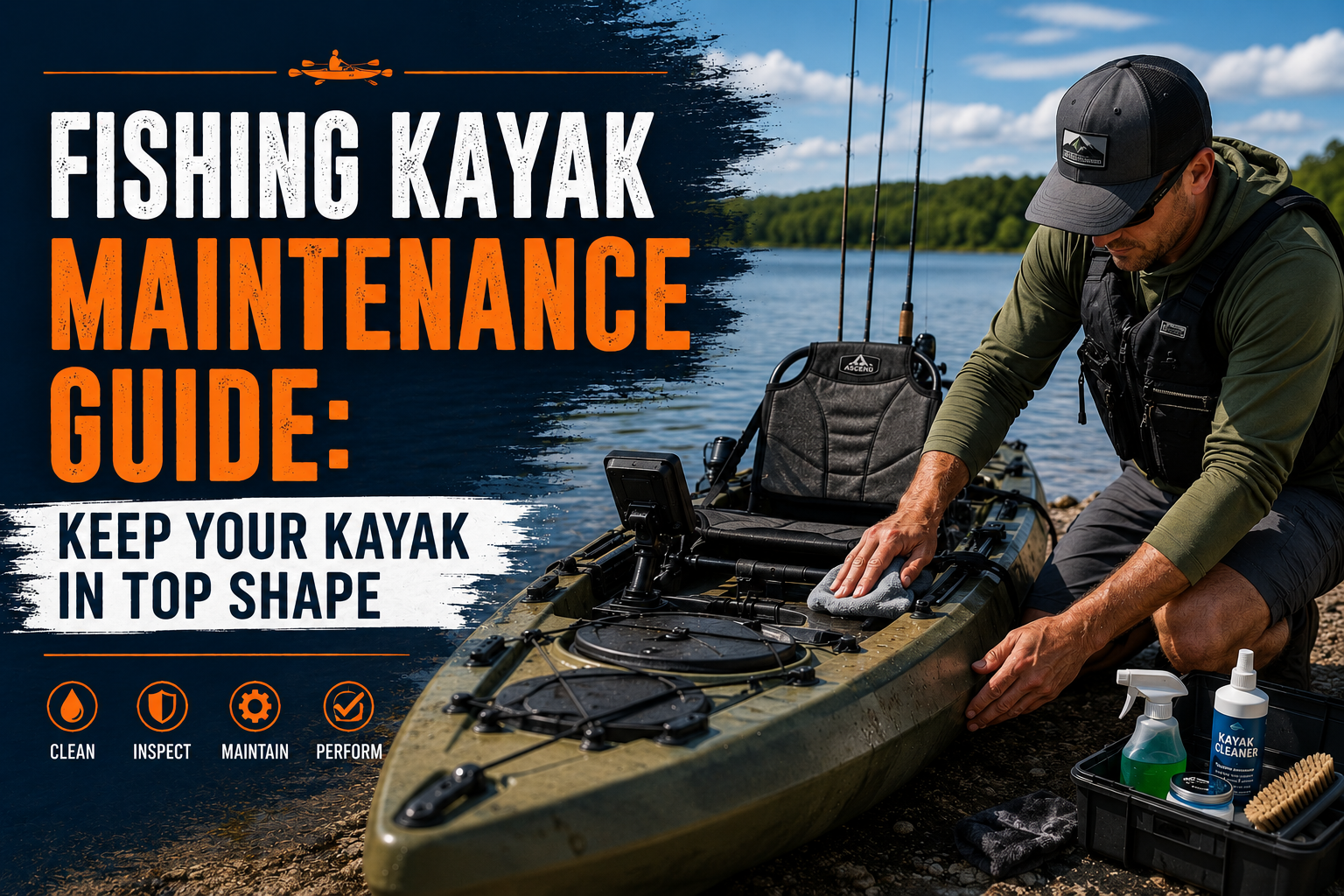
A fishing kayak is a valuable investment that can provide years of enjoyable adventures on the water. However, regular fishing kayak maintenance is essential to ensure your kayak remains safe, durable, and ready for every fishing trip. Whether you paddle in freshwater lakes, rivers, or coastal waters, proper care helps prevent damage and extends the lifespan of your kayak.
In this kayak maintenance guide, you will learn practical steps for cleaning, storing, and inspecting your kayak so it stays in top condition throughout the year.
Why Fishing Kayak Maintenance Matters
Many anglers focus on upgrading gear and accessories but overlook routine fishing kayak care. Exposure to sunlight, saltwater, dirt, and rough terrain can gradually wear down your kayak. Regular maintenance offers several benefits:
-
Extends the life of your kayak
-
Prevents costly repairs
-
Maintains performance and stability
-
Protects accessories and hardware
-
Improves safety on the water
Many anglers invest significant time researching the right model for their fishing style and local waters, but ongoing maintenance is what keeps that investment performing at its best year after year. Taking a few minutes after each trip can help you avoid major maintenance issues later.
How to Maintain a Fishing Kayak After Every Trip
One of the most important aspects of how to maintain a fishing kayak is developing a simple post-trip routine.
1. Rinse Your Kayak Thoroughly
After every outing, rinse your kayak with fresh water. This is especially important if you've been fishing in saltwater, as salt can accelerate corrosion on metal components and accessories.
Pay attention to:
-
Hull surfaces
-
Rudder systems
-
Pedal drives
-
Mounting tracks
-
Rod holders
-
Drain plugs
Removing dirt, sand, and debris prevents long-term wear and tear.
2. Inspect for Damage
While cleaning, inspect the kayak for signs of damage.
Check for:
-
Scratches and gouges
-
Cracks in the hull
-
Loose hardware
-
Worn straps
-
Damaged seat components
Identifying minor issues early can prevent larger repair costs in the future. Routine inspections are not just about protecting your kayak. Checking for cracks, loose hardware, and worn components can also reduce unnecessary risks while fishing and help support safer days on the water.
Essential Kayak Care Tips for Long-Term Performance
Following a few simple kayak care tips can significantly improve the lifespan of your fishing kayak.
1. Protect Against UV Damage
Constant exposure to sunlight can weaken plastic and fade kayak surfaces over time.
To reduce UV damage:
-
Store the kayak in a shaded area
-
Use a kayak cover when possible
-
Apply UV protectant products designed for kayaks
This simple step helps preserve both appearance and structural integrity.
2. Tighten Hardware Regularly
Fishing kayaks often include accessories such as fish finder mounts, rod holders, and gear tracks. Vibration and repeated use can loosen bolts and fittings.
Inspect hardware regularly and tighten any loose components before heading out on the water.
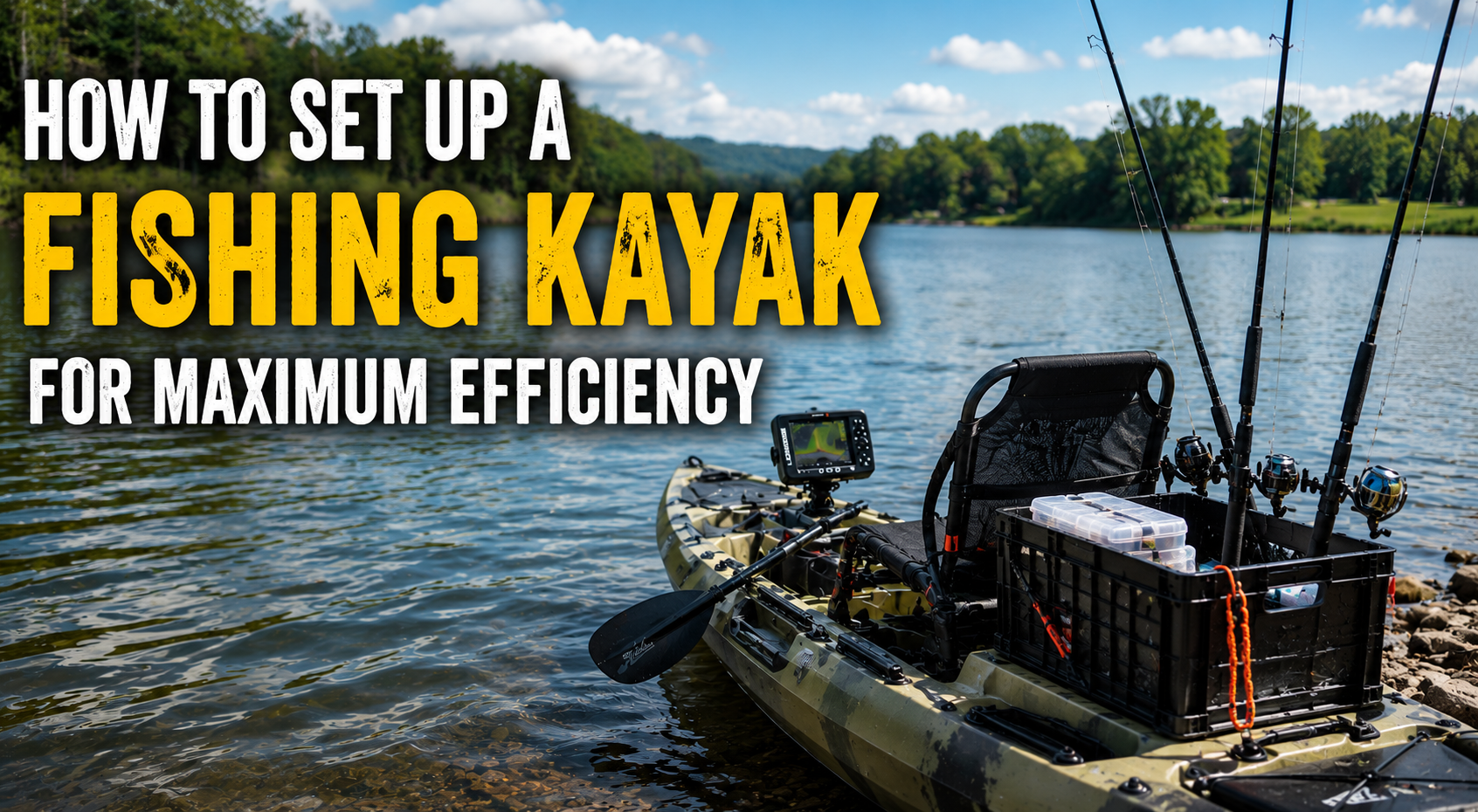
A well-maintained kayak performs best when accessories and mounting systems are properly secured. This is especially important if you have spent time organizing your onboard layout for easier access to fishing gear and equipment.
3. Care for Seats and Accessories
Comfortable seating is essential for long fishing sessions. Clean seat fabric periodically and check adjustment straps for wear.
Also inspect:
-
Paddle clips
-
Storage hatches
-
Systèmes d'ancrage
-
Fish finder mounts
-
Gear tracks
Along with maintaining your kayak itself, it's important to regularly inspect paddles, storage systems, electronics, and other equipment that supports your time on the water. Having the essential equipment for different fishing conditions can improve both convenience and performance. Keeping accessories in good condition ensures reliable performance.
Kayak Storage Tips Every Owner Should Follow
Proper storage is one of the most overlooked aspects of fishing kayak maintenance. Incorrect storage can cause warping, fading, and unnecessary stress on the hull.
1. Store Indoors When Possible
The best option is storing your kayak in a garage, shed, or covered storage area. Indoor storage protects against:
-
UV exposure
-
Extreme temperatures
-
Rain and snow
-
Wind damage
2. Use Proper Support
Avoid storing a kayak directly on hard surfaces for extended periods.
Recommended storage methods include:
-
Wall-mounted kayak racks
-
Ceiling hoists
-
Padded kayak stands
Proper support helps maintain the kayak's shape and prevents pressure damage.
3. Keep the Kayak Clean Before Storage
Before storing your kayak for weeks or months, thoroughly clean and dry it. Moisture trapped inside hatches can lead to mold, mildew, and unpleasant odors.
Seasonal Fishing Kayak Care Checklist
At the start and end of each season, perform a more detailed inspection.
Spring Maintenance
-
Clean the entire kayak
-
Inspect the hull for damage
-
Test all accessories
-
Check seat functionality
-
Verify drain plugs are secure
End-of-Season Maintenance
-
Deep clean the kayak
-
Remove and organize gear
-
Inspect hardware for corrosion
-
Apply UV protection
-
Store in a dry, protected location
A seasonal maintenance routine helps ensure your kayak is ready for the next adventure. Whether you are an occasional angler or a dedicated kayak fisherman, consistent fishing kayak care protects your investment and helps you enjoy safer, more productive days on the water. Taking the time to learn how to maintain a fishing kayak today will pay off with better performance, greater durability, and countless future fishing adventures.
Keep Your Fishing Kayak Adventure-Ready
Regular maintenance is one of the simplest ways to extend the life of your kayak and enjoy better performance on every outing. If you are looking for expert guidance, premium fishing kayaks, or help choosing accessories for your next adventure, our team is here to help. Get in touch with us today to find the right solutions for your time on the water.
Conclusion
Proper fishing kayak maintenance does not require specialized skills or expensive tools. By following this kayak maintenance guide, cleaning your kayak after each trip, performing regular inspections, and applying smart kayak storage tips, you can keep your kayak performing at its best for years to come.
Questions fréquemment posées
1. How often should I clean my fishing kayak?
Rinse and clean your fishing kayak after every trip to remove dirt, sand, and debris. Saltwater users should be especially diligent to prevent corrosion.
2. What is the best way to store a fishing kayak?
Store your kayak in a dry, shaded area away from direct sunlight. Using a kayak rack or stand helps maintain its shape and prevents damage.
3. Can I leave my fishing kayak outside year-round?
Outdoor storage is possible, but prolonged exposure to weather can shorten your kayak's lifespan. A protective cover can help reduce UV and moisture damage.
4. How do I know if my fishing kayak needs repairs?
Check for cracks, deep scratches, loose hardware, or leaks during routine inspections. Addressing small issues early can prevent costly repairs later.
5. What maintenance should I perform before fishing season starts?
Inspect the hull, clean the kayak thoroughly, and check all accessories for wear. Make sure hardware is secure and safety gear is ready for use.

 Satisfait ou remboursé sous 30 jours
 Boutique en ligne sécurisée et certifiée
 Plus de 1000 clients satisfaits