
Fishing Kayak Safety Tips Every Beginner Should Know
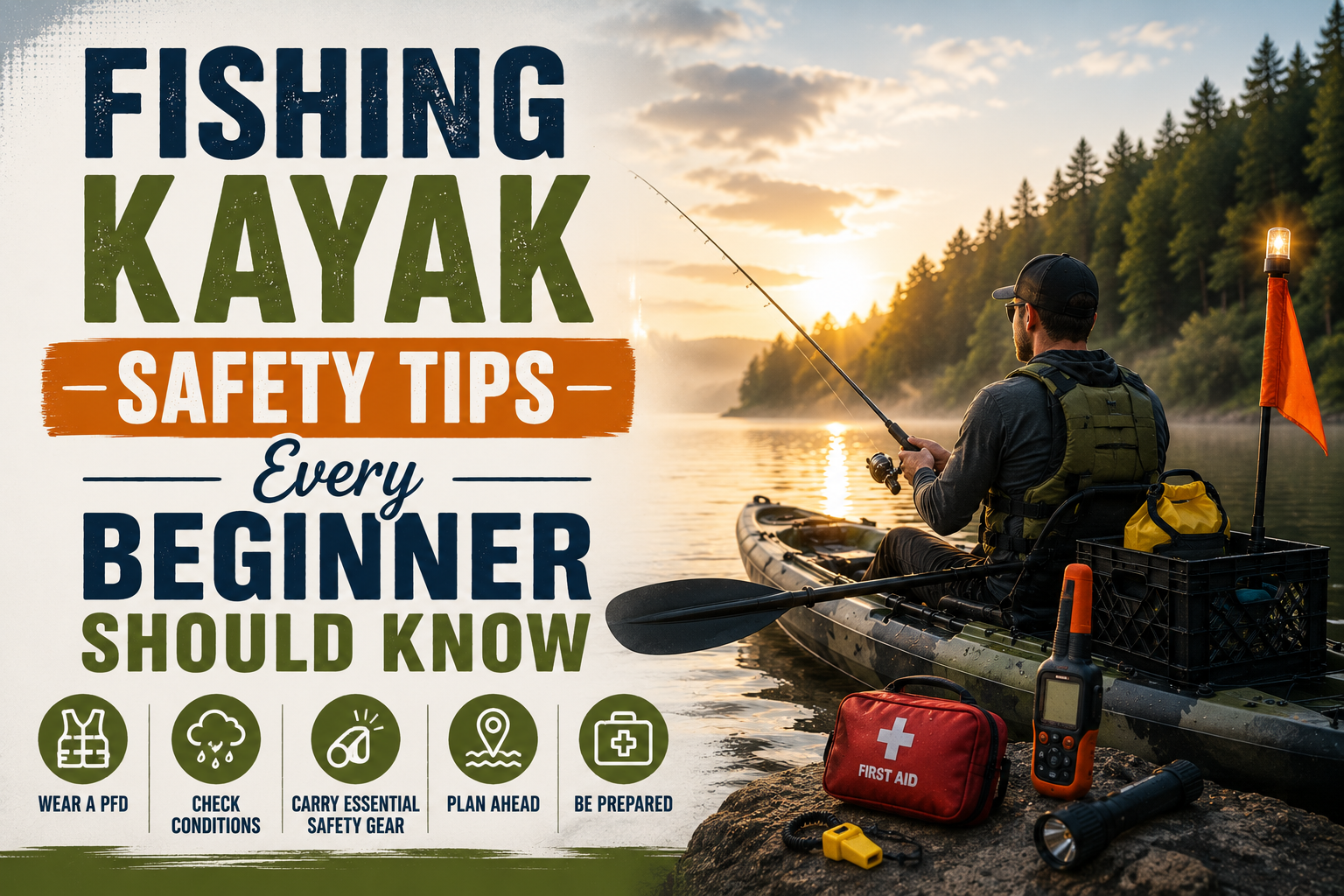
Fishing from a kayak is one of the most rewarding ways to enjoy rivers, lakes, and waterways. Whether you are paddling on the Allegheny River, exploring local reservoirs, or spending a quiet morning chasing bass, safety should always come first. Understanding the right Kayak Safety Tips can help beginners stay prepared, avoid common mistakes, and enjoy every trip with confidence.
This guide covers essential safety practices, recommended Kayak Safety Equipment, and practical advice for new anglers getting started on the water.
Why Kayak Safety Matters
Many first-time anglers focus on fishing techniques and equipment while overlooking safety. However, weather changes, water currents, and unexpected obstacles can quickly create dangerous situations.
Following proven Kayak Safety Tips helps you:
-
Stay visible on the water
-
Handle changing weather conditions
-
Prevent capsizing incidents
-
Protect yourself during emergencies
-
Enjoy a more comfortable fishing experience
Whether you are new to kayaking or transitioning from shore fishing, building good habits from the beginning is essential.
Wear a Personal Flotation Device (PFD) at All Times
One of the most important Kayak Safety Tips is wearing a properly fitted Personal Flotation Device. Even experienced kayakers can encounter unexpected conditions. A PFD provides critical buoyancy if you fall into the water and can significantly improve your chances of staying safe.
When choosing a PFD:
-
Select a Coast Guard-approved model
-
Ensure a snug but comfortable fit
-
Choose a design made for kayak fishing
-
Look for storage pockets for small gear
A life jacket should be worn, not stored inside the kayak.
Carry Essential Kayak Safety Equipment
Having the right Kayak Safety Equipment can make a major difference during an emergency.
Recommended items include:
-
Safety whistle
-
Paddle leash
-
Bilge pump or sponge
-
Waterproof flashlight
-
First aid kit
-
Dry bag for valuables
-
Emergency communication device
-
Navigation lights for low-light conditions
These items should always be part of your regular Kayak Safety Gear checklist.
Check Weather and Water Conditions Before Launching
Before heading out:
-
Review local weather forecasts
-
Check wind speed and direction
-
Monitor river and lake conditions
-
Avoid launching during storms
-
Watch for rapidly changing temperatures
Strong winds and rough water can create challenging situations for beginners. Planning ahead is one of the easiest Kayak Fishing Tips for Beginners to follow.
Learn Basic Self-Rescue Skills
Many new anglers focus on fishing techniques but forget to practice re-entering their kayak.
Before venturing into larger bodies of water:
-
Practice exiting the kayak safely
-
Learn how to re-enter after a capsize
-
Test your equipment in controlled conditions
-
Understand how your kayak handles in different situations
Developing these skills improves confidence and prepares you for unexpected events.
Choose a Stable Fishing Kayak
Your kayak plays an important role in overall safety. Beginners should prioritize stability over speed or advanced features. Wider fishing kayaks generally provide better balance and a more comfortable platform for casting and landing fish.
If you're researching stable fishing kayak options before your next trip, reviewing different models can help you identify features that match your skill level and fishing style.
Organize Your Gear Properly
Loose equipment can create hazards on the water.
A few smart organization tips include:
-
Secure tackle boxes and bags
-
Keep frequently used items within reach
-
Avoid overloading the kayak
-
Use rod holders when traveling
-
Store sharp tools safely
Proper organization reduces clutter and allows you to focus on fishing instead of constantly managing equipment.
Bring the Right Accessories for Safety and Comfort
The right accessories can improve both convenience and safety.
Items such as anchor systems, fish finders, dry storage bags, and comfortable seating can enhance your experience while helping you stay prepared throughout the day.
When evaluating the right accessories for your setup, consider how each item contributes to safety, organization, and efficiency on the water.
Tell Someone Your Float Plan
One of the most overlooked Beginner Kayak Fishing Tips is sharing your trip details.
Before leaving:
-
Tell someone where you are going
-
Share your launch location
-
Provide an expected return time
-
Include emergency contact information
If an issue occurs, this information can help emergency responders locate you more quickly.
Stay Within Your Skill Level
Many accidents happen when beginners attempt challenging waters too soon.
Start with:
-
Calm lakes
-
Small reservoirs
-
Slow-moving rivers
As your confidence grows, gradually explore more advanced locations. Building experience over time is one of the smartest Kayak Fishing Tips for Beginners.
Final Thoughts
From wearing a PFD to carrying essential Kayak Safety Equipment, every precaution contributes to a safer experience on the water.
Ready to find the right kayak, accessories, or expert advice for your next adventure? Visit our Contact Us page today and connect with our team. We are here to help you choose the best equipment and get the most out of every kayak fishing trip.
Questions fréquemment posées
1. What safety gear should I carry on a fishing kayak?
Every kayaker should carry a Personal Flotation Device (PFD), whistle, paddle leash, first aid kit, flashlight, and a waterproof phone or communication device.
2. Do I need to wear a life jacket while kayak fishing?
Yes. A properly fitted Coast Guard-approved PFD should be worn at all times, regardless of your swimming ability or water conditions.
3. Is kayak fishing safe for beginners?
Kayak fishing can be very safe for beginners when proper safety precautions are followed, including wearing a PFD, checking weather conditions, and choosing calm waters.
4. What weather conditions should I avoid when kayak fishing?
Avoid fishing during thunderstorms, high winds, heavy rain, dense fog, or when water conditions are rough and unpredictable.
5. How do I prevent my kayak from tipping over while fishing?
Choose a stable fishing kayak, keep your weight centered, avoid sudden movements, and organize your gear properly to maintain balance on the water.
 Satisfait ou remboursé sous 30 jours
 Boutique en ligne sécurisée et certifiée
 Plus de 1000 clients satisfaits