
Scupper Plugs Explained: How to Choose, Use, and Maintain Kayak Plugs
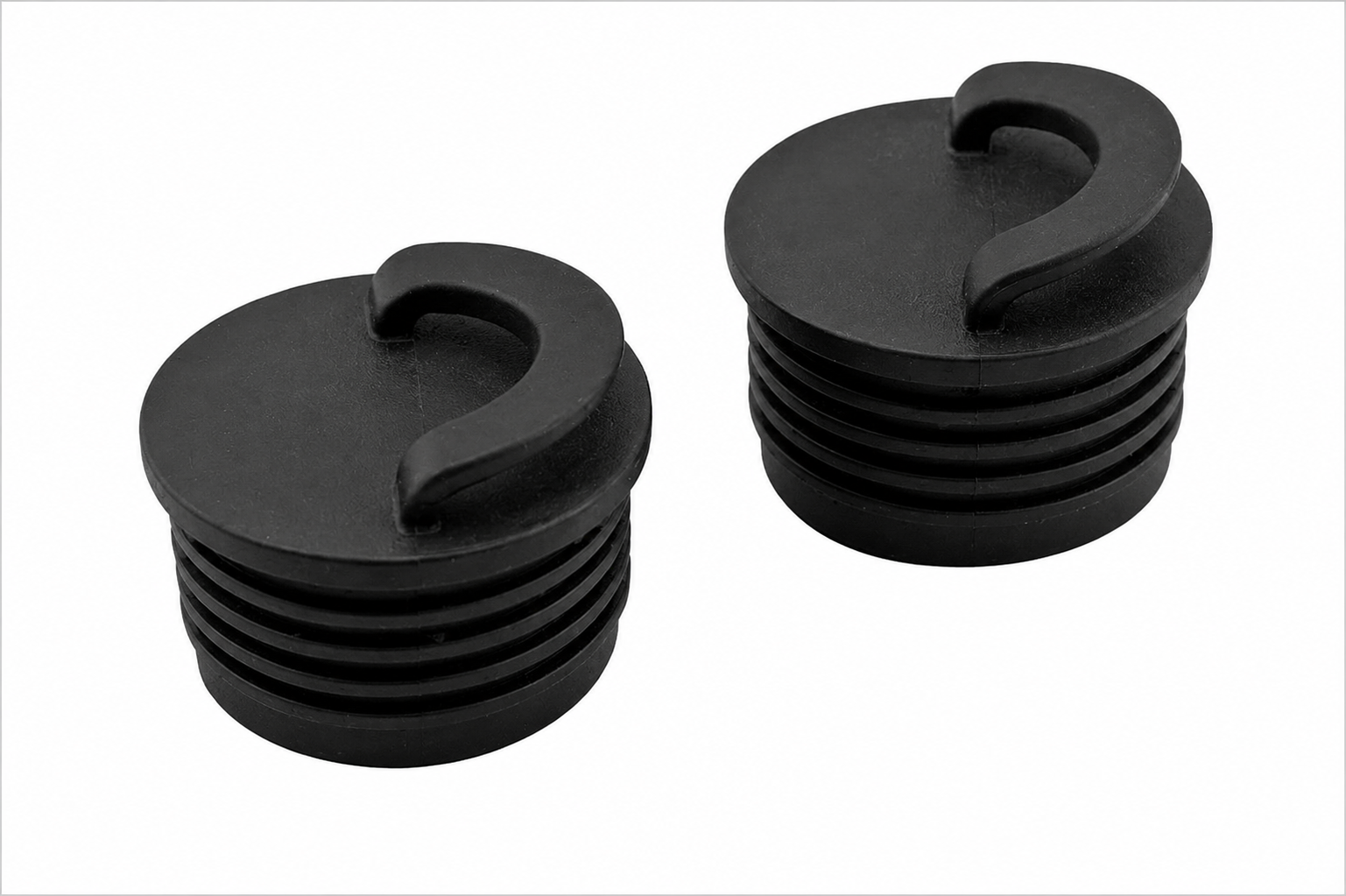
Scupper plugs are removable inserts designed to seal the drainage holes in sit-on-top kayaks. They help reduce water entering the cockpit, improve comfort in cold conditions, and keep gear drier during calm-water paddling. While kayak scupper plugs are useful in many situations, they should be removed in rough water or heavy surf so the kayak's self-draining system can work effectively.
Why Every Sit-on-Top Kayak Owner Should Understand Scupper Plugs
If you have recently purchased a sit-on-top kayak, you may have noticed several holes running through the deck and wondered whether something was missing. These openings are called scupper holes, and they are an essential part of your kayak's design rather than a manufacturing defect.
Many first-time paddlers assume these holes should always be plugged. Others leave them open regardless of the conditions. The truth lies somewhere in between. Knowing when to install scupper plugs and when to remove them can improve your comfort, protect your gear, and help you get the best performance from your kayak.
Whether you are heading out for a relaxing paddle, chasing bass on your favorite lake, or exploring coastal waters, understanding how scupper plugs for kayaks work will help you make better decisions on the water.
What Are Scupper Plugs?
Scupper plugs are removable rubber, silicone, or foam inserts that fit into the scupper holes of a sit-on-top kayak to reduce water entering the cockpit while still allowing paddlers to remove them whenever self-draining becomes necessary.
Unlike traditional sit-inside kayaks, sit-on-top kayaks are designed with a double-hull construction. The scupper holes connect the deck to the bottom of the hull, allowing water that splashes onboard to drain back into the lake, river, or ocean.
Without these drainage channels, rainwater, waves, or paddle drips would remain on the deck, making the kayak heavier and less comfortable.
Scupper plugs temporarily seal these openings whenever you prefer a drier ride.

Why Do Sit-on-Top Kayaks Have Scupper Holes?
Scupper holes create a self-bailing system that allows water to drain automatically from the kayak's deck.
Why They are Important
Scupper holes help:
-
Drain rainwater
-
Remove water from waves
-
Prevent water from pooling
-
Reduce deck weight
-
Improve paddling comfort
-
Increase safety during changing conditions
Instead of requiring a bilge pump or sponge like many sit-inside kayaks, a sit-on-top kayak continuously drains itself through these openings.
How Do Kayak Scupper Plugs Work?
Scupper plugs create a temporary watertight seal inside the drainage holes.
When installed correctly, they help:
- Prevent water from entering beneath your seat
- Keep your feet drier
- Reduce splashing into the cockpit
- Protect gear stored near the deck
- Improve comfort during long fishing trips
However, they do not make your kayak waterproof. Water can still enter from waves, rain, or paddle strokes, which is why understanding when to remove the plugs is just as important as knowing when to use them.
Benefits of Using Scupper Plugs
1. Stay Drier While Paddling
The biggest advantage is a drier cockpit. Instead of water constantly seeping upward through the scupper holes, your seat and footwell remain more comfortable.
2. Improve Comfort During Cold Weather
Cold water entering beneath your seat can quickly make winter paddling uncomfortable.
Installing kayak scupper plugs helps reduce cold water entering the kayak, allowing you to stay warmer during early morning fishing trips or late-season adventures.
3. Protect Your Fishing Gear
Keeping water away from tackle boxes, electronics, dry bags, and camera equipment reduces unnecessary moisture around valuable gear.
4. Reduce Water Around Your Feet
Many anglers spend hours standing or sitting in one position. A dry cockpit makes longer trips noticeably more comfortable.
5. Improve Overall Paddling Experience
While scupper plugs won't dramatically increase speed, they can make the kayak feel cleaner, drier, and more enjoyable in calm conditions.
When Should You Use Scupper Plugs?
The best time to install scupper plugs for kayaks depends on the conditions.
1. Calm Lakes
Yes. Calm water rarely floods the deck, making plugs an excellent choice for staying dry.
2. Slow Rivers
Usually yes. Gentle currents allow you to enjoy the benefits of a drier cockpit while maintaining control.
3. Kayak Fishing
Highly recommended. Anglers often remain stationary for long periods, making dry seating areas much more comfortable.
4. Cold Weather
Yes. Keeping cold water away from your feet and seat improves comfort throughout the day.
5. Recreational Paddling
If you are enjoying a relaxed paddle on sheltered water, installing scupper plugs is often the better option.
When Should You Remove Scupper Plugs?
There are also situations where removing them is the safer choice.

6. Rough Water
Open scupper holes allow water to drain quickly after waves wash over the deck.
7. Surf Launches
Ocean launches often involve repeated waves entering the kayak.
Removing the plugs helps the self-bailing system perform as intended.
8. Heavy Rain
Rainwater needs somewhere to escape.
Open scupper holes prevent unnecessary water accumulation.
9. Carrying Heavy Loads
Extra weight causes the kayak to sit lower in the water. Keeping the scupper holes open allows water to exit more efficiently.
How to Choose the Right Scupper Plugs
Not every scupper plug fits every kayak.
Before purchasing, consider:
1. Measure the Hole Diameter
Always measure the inside diameter of your scupper holes.
A plug that's too small may fall out, while one that's too large can be difficult to install.
2. Choose Quality Materials
- Look for:
- Marine-grade rubber
- Flexible silicone
- UV-resistant construction
- Corrosion-resistant pull handles
3. Easy Removal
The best scupper plugs kayak owners use can be removed quickly if conditions suddenly change.
4. Secure Fit
A snug fit helps prevent leaks without damaging the scupper hole.
How to Install Scupper Plugs
Installing scupper plugs only takes a few minutes.
- Clean the scupper holes.
- Remove sand or debris.
- Lightly wet the rubber if needed.
- Push the plug firmly into place.
- Check that it sits evenly.
- Test the seal before launching.
Avoid forcing oversized plugs into the hull.

Common Mistakes to Avoid
Many beginners make the same mistakes.
Avoid these common issues:
- Installing the wrong size.
- Leaving plugs installed during rough conditions.
- Permanently sealing scupper holes.
- Ignoring worn or cracked plugs.
- Forgetting to inspect plugs before launching.
- Assuming every kayak uses identical scupper plugs.
Small maintenance habits can prevent bigger problems on the water.
How to Maintain Your Scupper Plugs
Good maintenance helps extend the life of your scupper plugs.
- Rinse with fresh water after saltwater use.
- Allow them to dry completely before storage.
- Store away from direct sunlight.
- Inspect for cracks or deformation.
- Replace damaged plugs promptly.
- Keep a spare set in your gear bag.
Proper care ensures a reliable seal whenever you need it.
Final Thoughts
Scupper plugs are a simple accessory that can make a noticeable difference in comfort and convenience, especially for kayak anglers and recreational paddlers. Knowing when to install them and when to rely on your kayak's self-draining system allows you to adapt to changing conditions without compromising safety.
Before purchasing, measure your scupper holes, choose durable materials, and select plugs designed to fit your kayak properly. A well-fitted set of scupper plugs for kayaks can help keep your cockpit drier, protect your gear, and make every outing more enjoyable.
Whether you're fishing, exploring calm lakes, or paddling in cooler weather, the right scupper plugs are a small investment that can significantly improve your time on the water. And when paired with quality kayak accessories, they help you get the most from every adventure.
Questions fréquemment posées
1. Do all kayaks need scupper plugs?
No. Scupper plugs are designed for sit-on-top kayaks with scupper holes. Sit-inside kayaks generally do not use them.
2. Are scupper plugs necessary?
Not always. They are most useful in calm water, cold weather, or when you want a drier cockpit.
3. Can I leave scupper plugs installed all the time?
It's better to install or remove them based on the water conditions. In rough water, open scupper holes improve drainage.
4. Will scupper plugs stop all water from entering my kayak?
No. They reduce water entering through the scupper holes but cannot prevent splashes, rain, or waves from reaching the deck.
5. Are universal scupper plugs a good option?
Yes, provided they match the diameter of your kayak's scupper holes. Always verify compatibility before purchasing.
6. Do scupper plugs improve kayak performance?
Their primary purpose is comfort and water management rather than speed or performance.
7. Can I make my own scupper plugs?
Some paddlers use temporary DIY solutions, but purpose-built scupper plugs typically provide a more secure fit and are easier to remove when conditions change.
8. How often should I replace scupper plugs?
Replace them whenever they become cracked, brittle, loose, or no longer create a reliable seal.


 Satisfait ou remboursé sous 30 jours
 Boutique en ligne sécurisée et certifiée
 Plus de 1000 clients satisfaits