
Kayak Hatch Covers: The Complete Guide to Types, Sizing, and Care
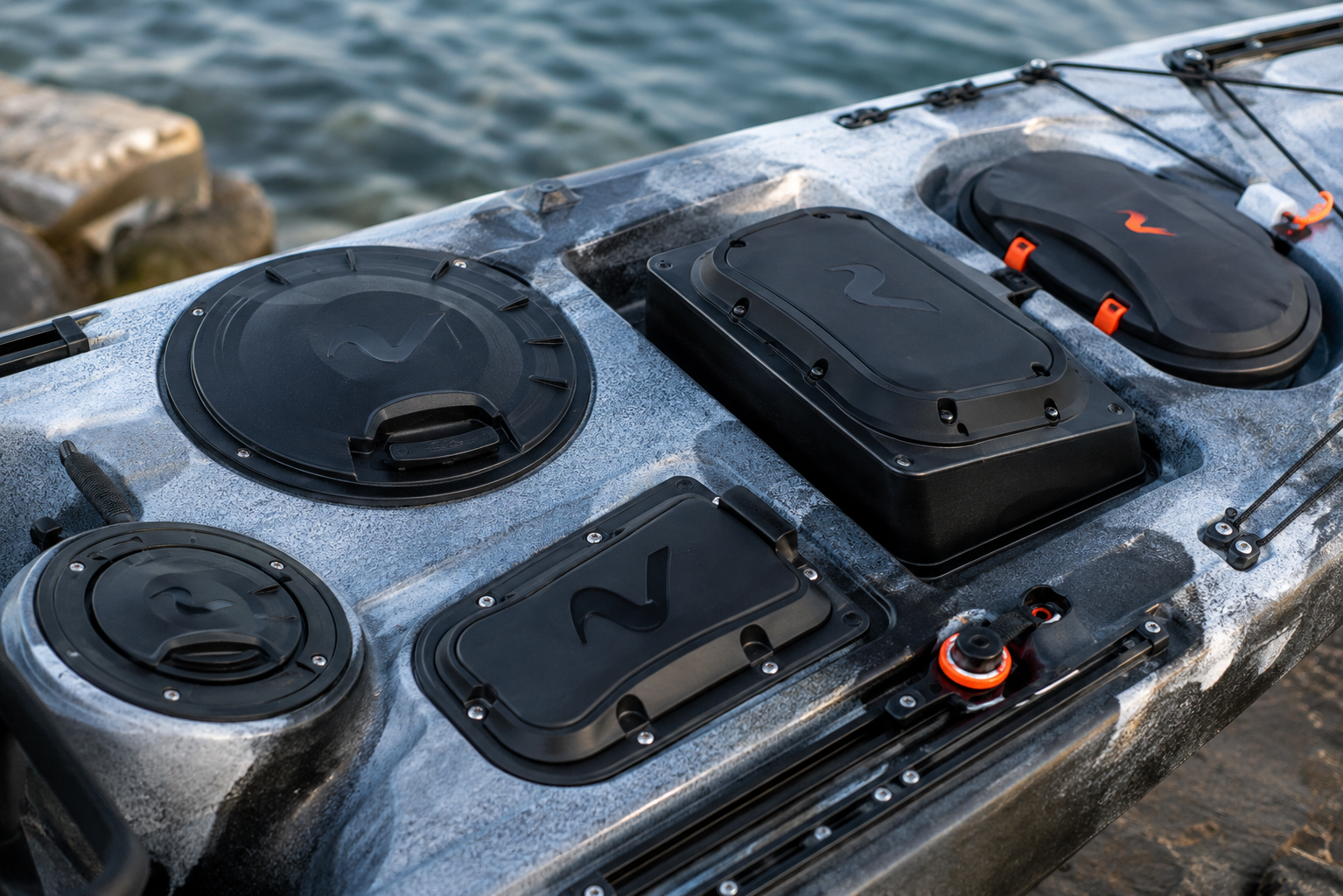
A kayak hatch is a sealed opening in the deck of a kayak used for dry storage. The kayak hatch cover is the removable lid, usually made of rubber, neoprene, or hard plastic, that seals that opening against water. If a hatch cover is leaking, cracked, or missing, replacing it is almost always cheaper and easier than replacing the whole hatch.
This guide explains what hatches actually do, the main cover types on the market, how to size and install a replacement, and how to fix the most common leak problems. It's written from hands-on experience fitting and testing hatch covers across sit on top and sit in kayaks, so every recommendation below reflects what actually holds up on the water rather than manufacturer marketing copy.
What is a Kayak Hatch?
A kayak hatch is a round, oval, or rectangular opening built into the deck of a kayak, sealed by a removable cover. Hatches serve two purposes.
1. Dry storage access:
A sealed compartment for gear, food, electronics, or camping equipment on multi day trips.
2. Buoyancy:
Sealed hatch compartments trap air, which helps keep the kayak afloat if it's swamped or capsized.
Most touring and sea kayaks have two or three hatches: bow, day hatch, and stern. Sit on top kayaks typically use smaller hatches, often called pods, for quick access dry storage.
What Does a Kayak Hatch Cover Do?
The kayak hatch cover is the part that actually keeps water out. The hatch rim, built into the hull, is the fixed structure. The cover is the removable seal that sits on top of it. When people search for "kayak hatch," in practice they're usually shopping for a replacement cover, since the rim itself is molded into the boat and isn't something you swap out on its own.
A good hatch cover needs to do three things well. It creates a watertight seal against the rim, even in rough water. It comes off easily by hand, without tools. And it survives UV exposure, salt water, and temperature swings without cracking.
Types of Kayak Hatch Covers
Neoprene covers are stretch fit fabric covers that pull over the rim like a cap. They're lightweight and easy to remove, but they're the least watertight option, best suited to day hatches where a small amount of splash is tolerable rather than full submersion.
Rubber covers, using either a twist lock or bungee system, are the most common style on touring kayaks. A firm rubber cover is twisted into a locking ring or held down by a bungee strap. These give a strong, reliable seal and are the standard choice for bow and stern hatches that need to stay dry in surf or rolling conditions.
Hard plastic or polymer covers are rigid, snap in covers used on some sit on top kayaks and storage pods. They're very durable and resistant to UV cracking, though they can be harder to remove with cold or wet hands.
Screw down hatch covers are threaded covers, common on smaller round hatches and accessory ports. They're slower to open than a twist lock cover but give one of the most reliable watertight seals available.
How to Choose the Right Replacement Hatch Cover
Getting the right cover comes down to matching it to your existing rim, not just your kayak model, since manufacturers sometimes change hatch rim designs across production years.
Measure the rim diameter itself, not the old cover, since covers stretch and can read larger than the rim. Match the shape too: round, oval, and rectangular rims are not interchangeable. Check the locking mechanism, because twist lock, bungee strap, and screw down covers use different rim profiles and generally aren't cross compatible. And consider matching or upgrading the material: if your factory cover was neoprene and you're paddling more exposed water, a rubber twist lock cover is a reasonable upgrade for a drier seal.
If you are unsure of your rim size or lock type, the safest approach is checking against your kayak manufacturer's part number rather than guessing from cover diameter alone.
Installing a Kayak Hatch Cover
Start by cleaning the rim thoroughly, since sand, salt, and grit are the most common causes of a poor seal. Check the rim for cracks or warping, because a cover can't compensate for damage to the rim itself. For twist lock covers, align the locking tabs before pressing down, then twist until it clicks into place. For bungee or strap covers, seat the cover evenly around the rim before tensioning the strap, since uneven tension is a common cause of edge leaks. Finally, test with a hose or in shallow water before relying on it in the field.
Fixing a Leaking Kayak Hatch Cover
A leaking hatch is rarely a sign you need a new hatch entirely. In order of likelihood, check for debris or salt buildup on the rim first, since cleaning and re testing fixes the majority of "leaking hatch" complaints. Next, check for a stretched or aged cover, since rubber and neoprene both lose elasticity over time and stop gripping the rim tightly. Also inspect for UV cracking, since hairline cracks in rubber covers are easy to miss but let water through under pressure. Finally, confirm the size and shape are correct, since a cover that's slightly too large will never seal properly, even brand new.
If cleaning doesn't solve it, replacing the cover is the standard fix. Full hatch and rim replacement is rarely necessary. Browse our full range of kayak hatch covers and pods to find the right fit for your boat.
Questions fréquemment posées
1. Are kayak hatch covers universal?
No. Fit depends on rim shape, diameter, and locking mechanism, which vary by manufacturer and sometimes by production year. Always match to your rim, not just your kayak model.
2. Can I use a kayak hatch cover on any hatch size?
No. Covers are sized to a specific rim diameter. A cover that's too large or too small won't create a watertight seal even if it appears to fit.
3. How often should I replace a kayak hatch cover?
There's no fixed schedule. It depends on UV exposure and use. Inspect covers each season for cracking, stiffness, or reduced elasticity, and replaces at the first sign of a compromised seal rather than waiting for a full leak.
4. Is a kayak hatch cover the same as a kayak pod?
Not quite. A pod is typically a smaller, self contained storage compartment common to sit on top kayaks, while a hatch is an opening into the kayak's main hull. Pods usually have their own dedicated covers.
 Satisfait ou remboursé sous 30 jours
 Boutique en ligne sécurisée et certifiée
 Plus de 1000 clients satisfaits