
Best Kayak Dry Bags for Electronics: Keeping Your Phone and Camera Safe
If you have ever pulled a soaked, dead phone out of your gear bag after a paddle, you already know why kayak dry bags matter. A wave over the bow, a sudden downpour, or a simple capsize can turn your electronics into an expensive paperweight in seconds. Whether you paddle for sunrise photography, GPS-tracked fitness trips, or weekend fishing runs, protecting your phone, camera, and power banks starts with choosing the right dry bag, not just any waterproof pouch you grabbed at the last minute.
At Vibe Kayaks, we build gear for paddlers who actually use their equipment hard, so this guide breaks down exactly what to look for in a dry bag built for electronics, how IPX8 ratings work, and which features separate a reliable bag from one that fails you on the water.
Why You Need Dedicated Kayak Dry Bags for Electronics
Not all dry storage is created equal. A general-purpose dry bag keeps clothes and food dry, but electronics need tighter seals, more padding, and better closure systems because even a small amount of moisture can short out a circuit board. A dedicated electronics dry bag typically includes:
-
A double or triple roll-top closure for a true waterproof seal
-
Padded interior lining to absorb bumps against the kayak hull
-
Clear or touchscreen-compatible panels for phone access
-
Compact sizing so the bag doesn't shift around in your cockpit or hatch
If you're paddling whitewater, coastal surf, or anything beyond calm lake water, gear built specifically for electronics protection is worth the upgrade. For a broader look at dry bag options across paddling disciplines, our water sports guide covers kayaking, SUP, and rafting side by side.
Understanding IPX8 Ratings: What "Waterproof" Actually Means
The term "waterproof" gets used loosely, so the IPX8 dry bag rating is what actually tells you something. IPX8 means the material has been tested to withstand continuous submersion beyond one meter of depth, not just splashes or light rain. This matters because kayaking often involves partial or full submersion of gear during a flip, a wet exit, or simply stowing bags in a flooded cockpit.
IPX8 vs Standard Water-Resistant Bags
A water-resistant bag might handle light spray, but it is not built for submersion. An IPX8-rated bag, by contrast, uses welded seams and airtight roll closures designed to keep water out even when fully underwater. When shopping, always check for the IPX8 label specifically rather than vague terms like "waterproof" or "splashproof" on the packaging.
Best Waterproof Phone Case for Kayaking Trips
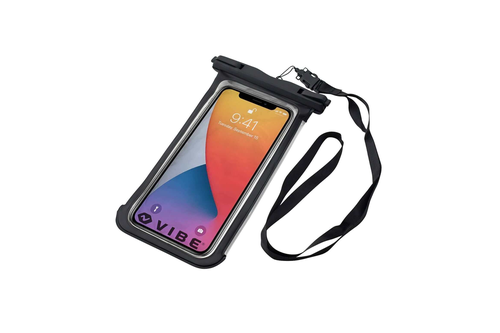
Your phone likely doubles as your camera, GPS, and emergency contact on the water, so a dedicated waterproof phone case for kayaking is non-negotiable. Look for these features:
-
A clear touchscreen window so you can use the phone without opening the bag
-
An adjustable neck or wrist strap for hands-free access
-
A floating design in case the case is dropped overboard
-
A snap or buckle closure that seals faster than a full roll-top for quick access
For paddlers who want to snap photos mid-trip, a phone case with a lanyard clip attached to your PFD is one of the simplest upgrades you can make.
Choosing the Right Dry Bag for Camera Gear
Cameras are bulkier, heavier, and far more expensive to replace than a phone, so a dry bag for camera equipment needs extra consideration:
-
Padded, structured walls that hold their shape and cushion against impact
-
Enough internal volume for a camera body, lens, and extra battery
-
A wide mouth opening for easy access without fumbling near water
-
Attachment points so the bag can be clipped to a deck line or thwart
If you shoot interchangeable lenses, consider a dry bag with internal dividers or a removable insert, since loose gear shifting inside a bag increases the risk of cracked screens or scratched lenses. Not sure how much volume your kit needs? Our right liter size breakdown maps capacity to trip length so you don't over- or under-pack.
Features to Look for in an Electronics Dry Bag
Beyond waterproofing, a few extra details separate a good bag from a great one:
-
Material weight: Heavier-gauge PVC or TPU resists punctures better than thin nylon
-
Seam construction: Welded seams outperform stitched-and-taped seams for long-term reliability
-
Visibility: Bright colors make bags easier to spot if they go overboard
-
Buoyancy: Bags that float reduce the risk of permanent loss during a capsize
Tips for Using Your Kayak Dry Bag on the Water
Even the best bag only works if it is used correctly:
-
Squeeze out excess air before sealing to improve buoyancy and seal integrity
-
Roll the top at least three times before buckling, following the manufacturer's guidance
-
Store electronics bags in the center of the kayak, not loose near the cockpit rim
-
Rinse and fully dry bags after saltwater trips to prevent zipper and seam corrosion
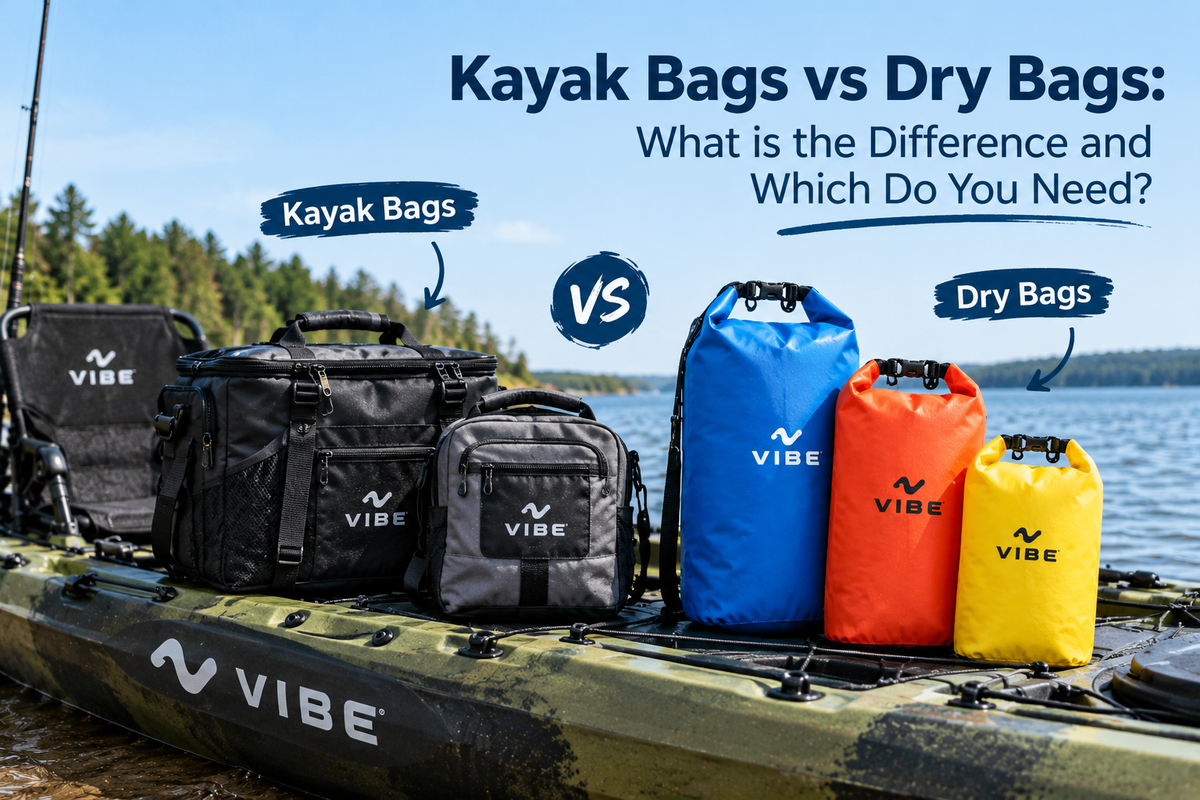
Still weighing dry bags against a standard kayak backpack for general storage? Our post on storage bag differences breaks down when each style makes more sense.
Final Thoughts
Protecting your phone and camera on the water doesn't have to be complicated, but it does require the right gear. An IPX8-rated, purpose-built dry bag is the difference between a stressful capsize and a minor inconvenience. Browse our full dry bags collection at Vibe Kayaks to find the right fit for your next paddling trip.
Questions fréquemment posées
1. Are all kayak dry bags safe for electronics?
No, Standard dry bags protect against splashes but may not hold up to full submersion. Look specifically for an IPX8-rated dry bag if you're storing a phone, camera, or other electronics.
2. What size dry bag do I need for a phone and camera?
A 5 to 10 liter dry bag is usually enough for a phone, a compact camera, and small accessories. Larger DSLR or mirrorless setups typically need 15 liters or more.
3. Can I use a regular phone case with a dry bag?
Yes, but pairing a dedicated waterproof phone case with a larger dry bag adds a second layer of protection, especially useful for whitewater or rough conditions.
4. How do I know if my dry bag seal is still working?
Do a bathtub test: seal the empty bag, submerge it for a few minutes, and check for moisture inside. Replace bags that fail this test before your next trip.
5. Do dry bags float if dropped in the water?
Most quality dry bags float when properly sealed with trapped air, but always secure bags to your kayak with a strap or clip as a backup.


 Satisfait ou remboursé sous 30 jours
 Boutique en ligne sécurisée et certifiée
 Plus de 1000 clients satisfaits